


Somalia’s EALA Parliamentarian Selection Woes
| March 14, 2026
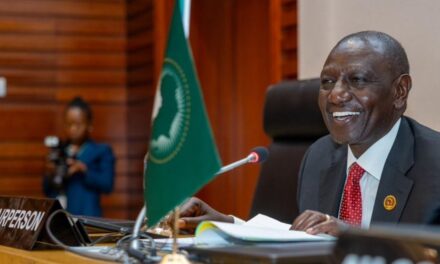
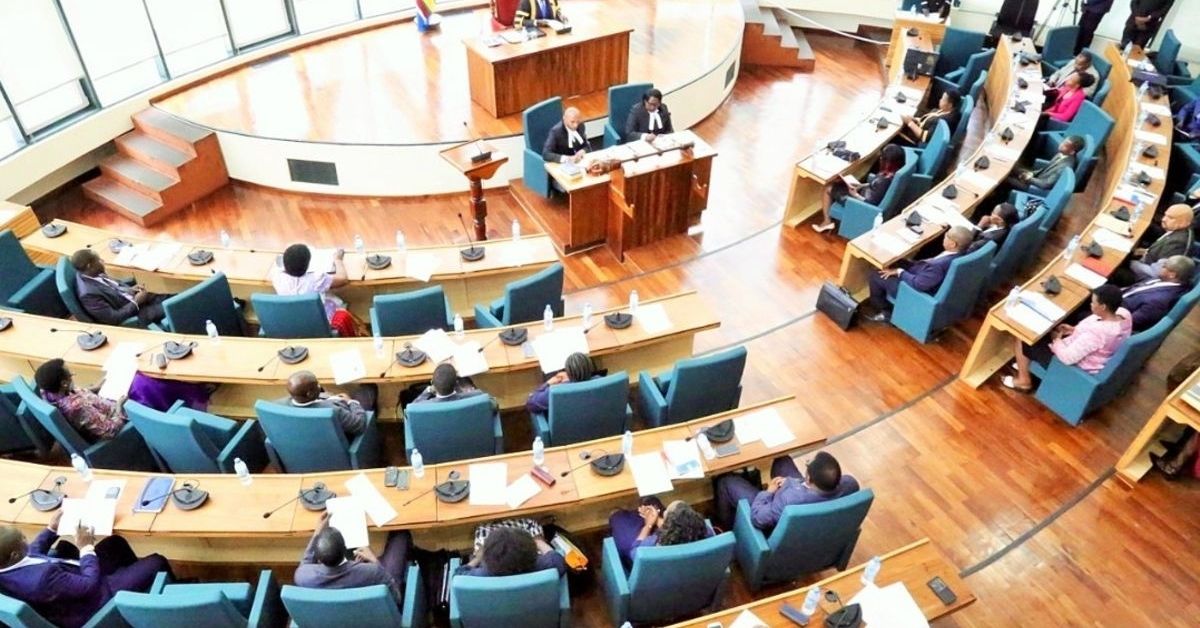
A file image of members of the East African Legislative Assembly, during a sitting in Arusha, where the regional parliament convenes. Photo: Handout
East African Community (EAC) member states select their representatives to the East African Legislative Assembly (EALA) under Article 50 of the EAC Treaty.
The article mandates each member state elect nine members to the Assembly. Although these members are not directly elected by the public, the selection process must be designed to reflect the political interests within each state, diversity of views, and gender balance.
For established democracies with recognised political parties and human rights institutions, the elections are conducted by each member state’s parliament. However, members of Parliament themselves cannot be selected for the Assembly.
The process must take into account the representation of various political parties in parliament, special interest groups, gender considerations, and different shades of opinion.
Member states are also allowed to determine their specific election procedures, which are facilitated by a special select committee. These procedures allow for independent candidates, subject to verification by the committee. Importantly, these elections must take place within 90 days before the expiry of the mandate of the outgoing parliament.
Somalia’s EALA members’ selection woes began at the stage of determining the special selection committee. The select committee was not appointed from both the lower and upper Houses of Parliament, as required under EAC procedures.
Instead, Somalia relied on the provision that allows member states to determine their own procedures and mandated the Parliamentary Standing Committee to oversee the selection process.
This move was contrary to the intended role of the Standing Committee. By design, a parliamentary standing committee cannot both select representatives and simultaneously exercise oversight over government actions. The arrangement therefore conflicted with the principle of institutional checks and balances.
Secondly, even within the Standing Committee itself, divisions emerged. This led to the Speaker of the National Assembly and his two deputies effectively assuming the role of the select committee.
The members ultimately selected to represent Somalia in the Assembly were largely loyalists to the presidency, many of whom have previously served in senior government positions during the president’s tenure.
Politically, rewarding loyalists is not uncommon in the region and across Africa.
However, in this case, it points to the influence of a superior external force, likely from the presidency, shaping the process in favour of preferred candidates. This undermines the intended inclusivity and diversity required under the EAC framework.
Thirdly, the role of a select committee is primarily to verify whether applicants meet the constitutional and treaty requirements for election.
In Somalia’s case, however, the committee acted as both the receiver of applications and the verifying authority. It also had the power to reject applications at the point of submission.
Under proper procedure, the clerk of the National Assembly should receive applications from clan representatives or individual applicants at various levels and then forward them to the select committee for verification.
Lastly, the mandates of both the Somali Parliament and the President are approaching their end, scheduled for 14 April 2026 and 15 May 2026, respectively.
The president has been pushing parliament to amend four chapters of the provisional constitution, including a proposal to extend his mandate by one year, a move opposed by most members of parliament.
Many members of parliament, including members of the Standing Committee, argue that the final parliamentary sitting should remain on 28 January 2026. This would allow members to travel for holidays and later observe Holy Ramadan before beginning their re-election processes.
These disagreements have already resulted in physical confrontations on the parliamentary floor, with even standing committee members issuing press statements. UNTIS has also raised concerns about the government’s failure to convene a consultative meeting in Mogadishu on electoral understandings.
Developments so far suggest that the president may lose the upcoming election, which could explain attempts to circumvent the electoral process. This situation could also affect his choices regarding Somalia’s representation in EALA.
An incoming government may not fully commit to EALA activities, including the remittance of member state contributions. Somalia has already fallen behind in its obligations, largely due to its dependence on donor support to run government operations.
In light of the prevailing situation, it is inevitable that Somalia must return to the drawing board and reconstitute its representation to the East African Legislative Assembly (EALA).
It is imperative that this process be conducted in a transparent and accountable manner, ensuring that Somalia is properly, credibly, and effectively represented in EALA following the forthcoming elections.
Abdillahi Hashi Abib is a Member of Parliament in the Foreign Affairs Committee of the House of the People, Federal Republic of Somalia.
Your support empowers us to deliver quality global journalism. Whether big or small, every contribution is valuable to our mission and readers.