












What Serbia’s Vučić’s Defeat Means for Kenya’s Diplomatic Stalemate
By Mwangi Maina
| October 27, 2026
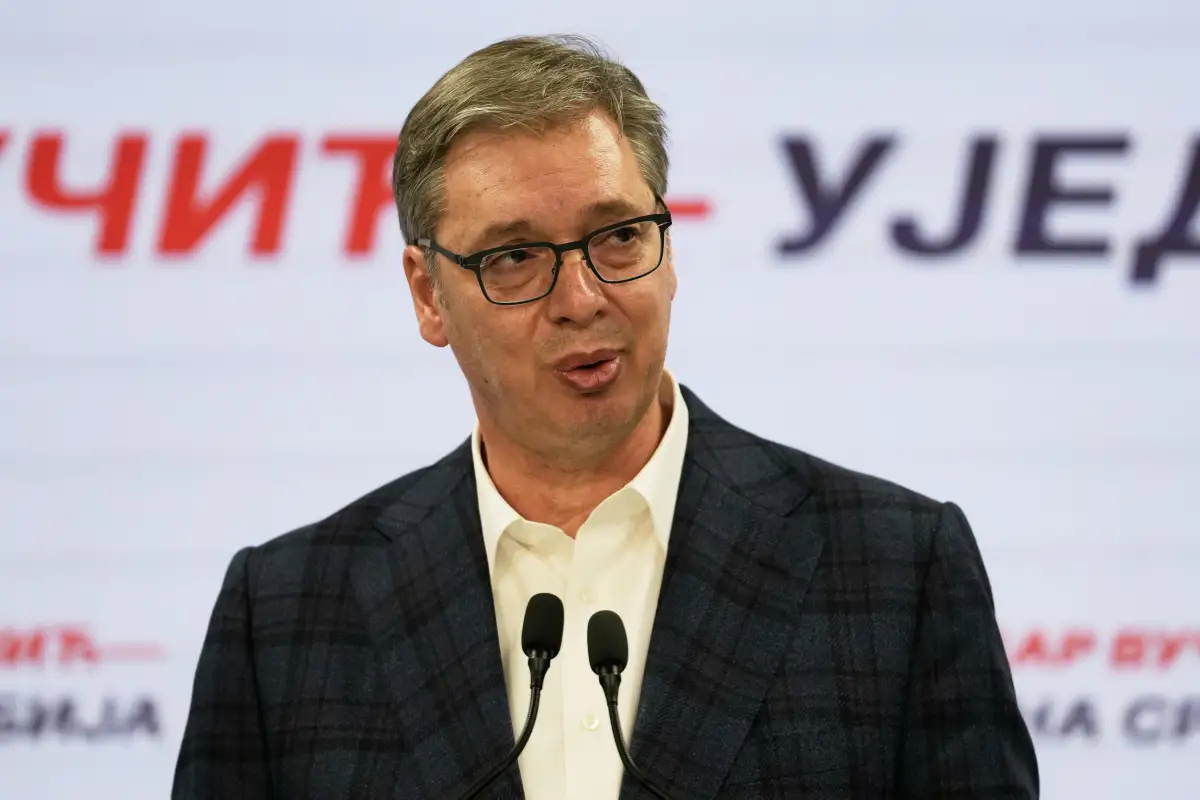
Serbia has just experienced a seismic political shift. Long-serving leader Aleksandar Vučić conceded defeat on Sunday to a student-led movement after two years of relentless protests against his increasingly authoritarian rule.
“We still do not have final results… it is clear that we have lost these elections,” the right-wing populist leader said as he conceded late on Sunday.
Preliminary figures indicated a record-high turnout, which commentators suggested favoured the student movement as celebrations erupted across Belgrade.
For Kenyans, a political earthquake in the Balkans might seem like a distant drama. But Vučić’s exit carries significant weight for Nairobi.
It presents a crucial opportunity to resolve a bitter diplomatic standoff that has left Kenya’s ambassadorial accreditation revoked.
The Kosovo Rupture
The chill between Nairobi and Belgrade began in March 2025, when Kenya officially recognised Kosovo as an independent state.
Kosovo declared independence from Serbia in 2008, but is not a United Nations member due to opposition from Serbia and its allies, including UN-veto holders Russia and China.
At the time, Kenya’s foreign office defended the move, stating: “Kenya has recognised Kosovo in the interest of international peace and security, territorial integrity and in furtherance of strengthening relations with countries in the Balkans.”
Vučić’s government in Belgrade reacted with fury.
Belgrade did not just protest; it withdrew the Agrément—the formal diplomatic approval—for Kenya’s Ambassador and recalled its own envoy from Nairobi.
It was a harsh, punitive response to what the Ruto administration termed Kenya’s sovereign choice, effectively downgrading the relationship to a skeleton crew. Despite the political opening, Nairobi is not rushing to celebrate the developments in Serbia.
When asked whether the Ministry sees this as a strategic opening to reset ties, Foreign Affairs Principal Secretary Korir Sing’oei told this outlet that it is too early to tell.
“We have noted developments in Belgrade,” PS Sing’oei said in a message on Monday.
“It is too early to determine the foreign policy orientation of the new team to enable us to reach any clear conclusions on our engagement. Confident that opportunities for alignment will arise.”
The Quiet Backchannel
Since then, Kenyan diplomats, working out of Paris, have been quietly trying to pick up the pieces.
An August parliamentary report seen by this outlet revealed that Kenya’s Paris mission, which previously handled non-resident accreditation to Serbia, initiated a meeting with the Serbian Embassy in Paris on February 9, 2026.
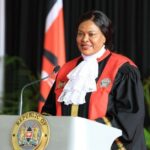
The meeting, led by Head of Mission Betty Cherwon, aimed to express “Kenya’s interest in re-establishing diplomatic engagement at the Embassy level.”
The two sides agreed to hold further talks between the Director General for Political and Diplomatic Affairs and the Serbian Embassy in Nairobi.
Kenya is also pursuing engagements in Belgrade. The motivation is deeply pragmatic: a vibrant Kenyan diaspora community and student population in Serbia have been left in limbo by the diplomatic freeze. But under Vučić’s hardline stance, progress was stalled.
A Pragmatic Opportunity
Vučić’s defeat changes the calculus. A new, student-led government in Belgrade will likely be focused on domestic democratic reforms, economic revitalisation, and repairing Serbia’s international image.
This shift offers Nairobi a fresh start. The new leadership may be less inclined to hold a grudge over Kosovo if it means securing pragmatic economic partnerships. Kenya and Serbia share a growing, if modest, trade relationship.
Serbia exports military weapons and parts to Kenya, while Kenya exports cut flowers to Belgrade. A new government focused on economic growth will want to protect these trade corridors.
Furthermore, a student-led administration—forged in the fires of a pro-democracy movement—may be more ideologically flexible and less entrenched in the hyper-nationalist rhetoric that defined the Vučić era for over a decade.
However, Nairobi cannot afford to be naive. Kosovo is the absolute red line in Serbian politics. No Serbian leader, authoritarian or student-led, can afford to publicly accept the loss of Kosovo.
The new government will likely still demand that Kenya reconsider its recognition of Pristina. But the style of diplomacy might change. Instead of punitive diplomatic snubs, the new leadership may prefer quiet persuasion, offering economic incentives rather than withdrawing ambassadors.
Your support empowers us to deliver quality global journalism. Whether big or small, every contribution is valuable to our mission and readers.