






















| January 14, 2025
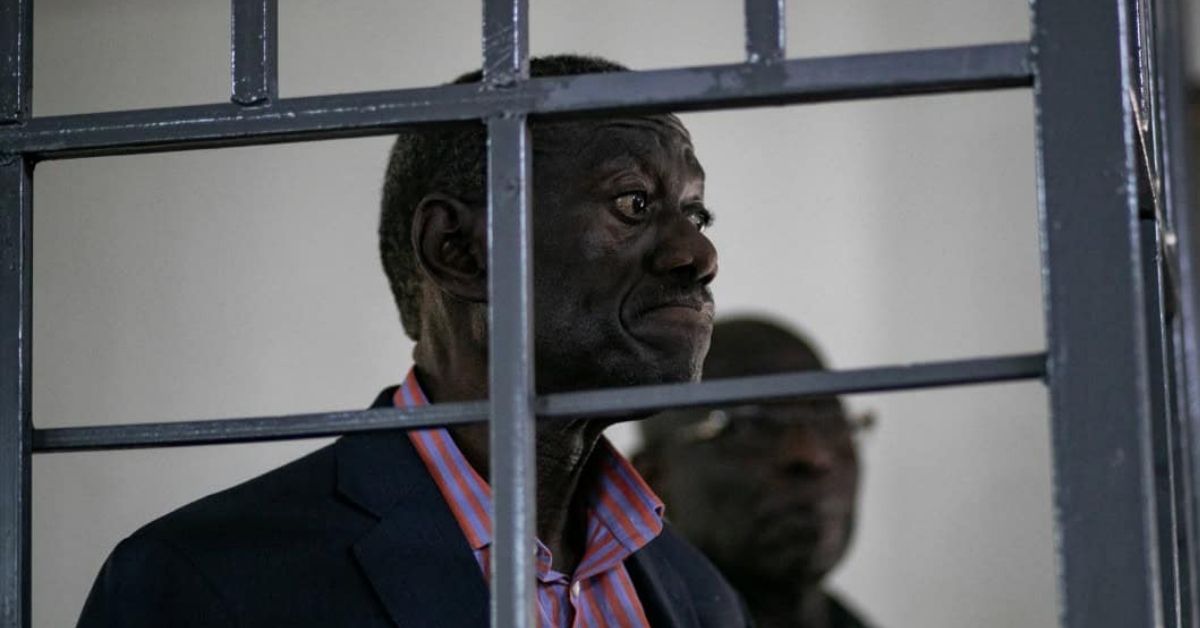
Veteran Ugandan opposition figure Kizza Besigye at the Makindye General Court Martial in Kampala on November 20, 2024. Photo: Handout
Kenya, once regarded as a regional hub of diplomacy, human rights and refuge for the oppressed, is increasingly becoming a pawn in the sinister game of transnational repression.
The recent abduction of Maria Sarungi Tsehai, a Tanzanian independent media editor and her subsequent release following international diplomatic outcry, is only the latest chapter in a disturbing trend.
It follows the forcible repatriation of Dr. Kizza Besigye, a Ugandan opposition figure and the controversial deportation of four Turkish nationals, all of whom were refugees under UN protection.
These incidents expose a frightening erosion of Kenya’s sovereignty and raise serious questions about foreign policy, human rights commitments and the forces pulling the strings behind the scenes.
Nairobi, once a beacon of freedom, now appears to be a staging ground for authoritarian regimes seeking to silence critics beyond their borders. It’s evident, Nairobi has fallen.
A Dark Stain on Kenya’s Diplomacy
The abduction and deportation of foreign nationals within Kenya is part of a growing global phenomenon known as transnational repression, where authoritarian regimes use foreign states to target dissidents and political opponents.
These actions violate international law and undermine the principle of asylum, which guarantees protection for individuals fleeing persecution.
Maria Sarungi Tsehai’s abduction by unidentified individuals, followed by her release only after international pressure, reveals a chilling reality: Kenya risks becoming complicit in suppressing free speech and dissent on behalf of foreign powers.
Similarly, the forcible repatriation of Dr. Kizza Besigye to Uganda—where he faced charges in a military court—violated both Kenya’s constitution and its international obligations.
The earlier deportation of four Turkish nationals under UN protection further stains Kenya’s diplomatic record.
Ironically, these violations come at a time when Kenya has rejoined the United Nations Human Rights Council (UNHRC)—a body mandated to promote and protect human rights globally.
This platform would have offered Nairobi an opportunity to redeem itself by demonstrating genuine commitment to human rights reforms. Instead, recent actions contradict this mandate, highlighting a troubling gap between Kenya’s global obligations and domestic practices.
These cases suggest that Kenya is no longer a safe haven for dissidents, exiles, or refugees but instead a hunting ground for authoritarian regimes seeking to silence their critics.
June 2024 Protests
Kenya’s deteriorating human rights record extends beyond the treatment of foreign dissidents. The government’s handling of the June 2024 anti-Finance Bill protests has further highlighted a worrying trend of repression and disregard for fundamental freedoms.
During the protests, which were largely peaceful demonstrations against controversial tax measures, security forces reportedly abducted at least 65 individuals, while nearly 1,400 people were detained, many without proper charges or access to legal representation.
These actions violate the right to freedom of assembly and expression, both protected under Kenya’s constitution and international human rights law.
The excessive use of force, arbitrary detentions, and reported abductions mirror the same authoritarian tactics observed in Kenya’s handling of foreign dissidents.
By suppressing peaceful protests, the government has not only undermined democratic values but also risked Kenya’s standing as a leader in regional diplomacy and human rights.
Betrayal of Kenya’s Foreign Policy Principles
Kenya’s foreign policy has long been anchored on principles of peace, stability, and human rights.
As a signatory to numerous international conventions, including the United Nations Refugee Convention and the African Charter on Human and Peoples’ Rights, Kenya is bound to protect the rights of refugees and asylum seekers.
These agreements prohibit the forced return of individuals to countries where they face persecution and emphasize protection from arbitrary detention and the right to a fair trial.
Yet, the government’s recent actions contradict these principles. The abductions and deportations of foreign nationals, alongside the suppression of domestic protests, suggest a dangerous shift in foreign and domestic policy—one that prioritizes political expediency and control over human rights and justice.
If foreign nationals and Kenyan citizens alike cannot be guaranteed safety and justice within the country’s borders, what does that say about our diplomatic integrity?
Kenya risks losing its hard-earned credibility as a regional power if these violations continue unchecked.
Erosion of Sovereignty
Sovereignty grants a nation supreme authority over its affairs, free from external interference.
Yet, recent events suggest that Kenya’s government may be acting under pressure from foreign regimes and internal power structures committed to silencing dissent.
The deportation of Turkish nationals reportedly came after demands from the Turkish government, which has aggressively targeted political dissidents abroad. Similarly, the abduction and deportation of Dr. Besigye raises concerns about Uganda’s influence over Kenya’s security apparatus.
Domestically, the state’s excessive force during the June protests raises serious questions about whether the Kenyan leadership is prioritizing self-preservation over public interest.
These incidents point to a worrying compromise of Kenya’s sovereignty. Foreign powers seem to be dictating how Kenya handles sensitive diplomatic matters, while domestic forces suppress legitimate expressions of public dissent.
The Cost of Complicity
Kenya’s complicity in both transnational repression and domestic crackdowns carries severe consequences:
Kenya’s reputation as a regional leader in diplomacy and human rights is rapidly deteriorating. Continued violations risk isolating Kenya from the international community. The abductions, forced deportations, and suppression of peaceful protests blatantly violate fundamental human rights, setting a dangerous precedent for future abuses.
Furthermore, bypassing legal processes and collaborating with foreign regimes, while suppressing domestic protests, the government weakens Kenya’s democratic institutions and erodes public trust in its justice system.
To reclaim its dignity and moral authority, Kenya must:
- Uphold its UNHRC Mandate: As a current member, Kenya must align its domestic actions with global human rights standards.
- Guarantee Due Process: Ensure legal procedures are followed in all deportations and security operations.
- Protect the Right to Protest: Cease the use of force against peaceful demonstrators and respect constitutional rights.
- Resist External Influence: Reassert full control over its diplomatic and security policies to prevent foreign interference.
Failure to take decisive action will not only tarnish Kenya’s international reputation but also erode the democratic values the nation has long stood for.
The question remains: Who is truly pulling the strings in Nairobi? If Nairobi has fallen, who will save us from becoming mere pawns in the political games of foreign powers and domestic elites?
Your support empowers us to deliver quality global journalism. Whether big or small, every contribution is valuable to our mission and readers.