

























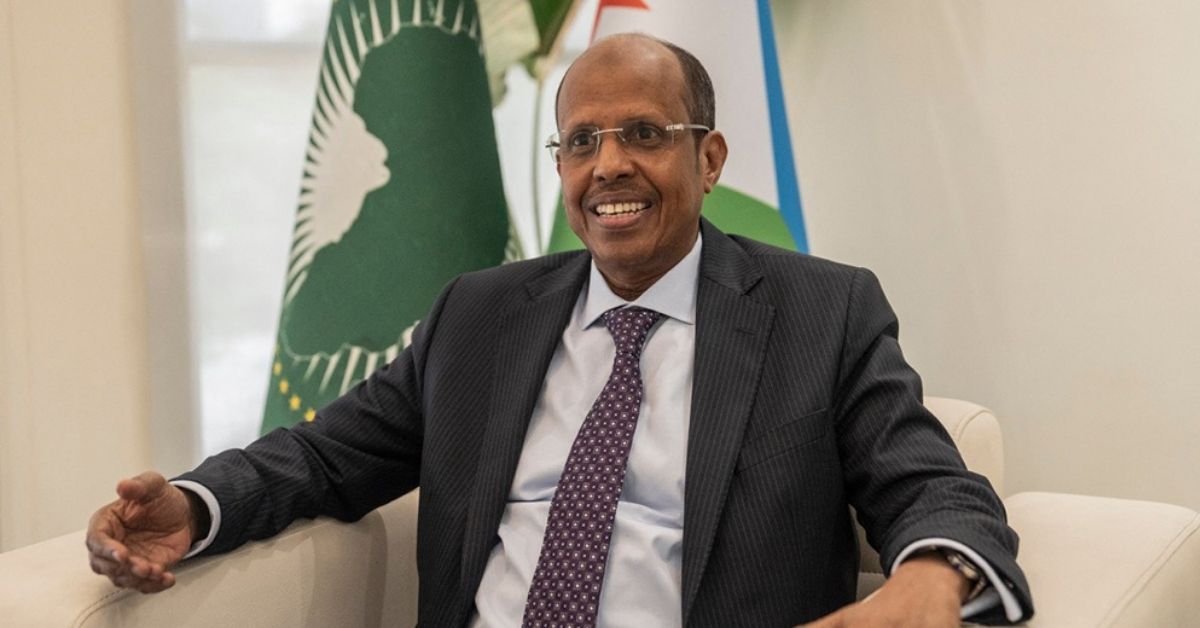
Mahmoud Ali Youssouf Takes over AUC Leadership Amid High Stakes for Africa
By Mwangi Maina
| March 13, 2025
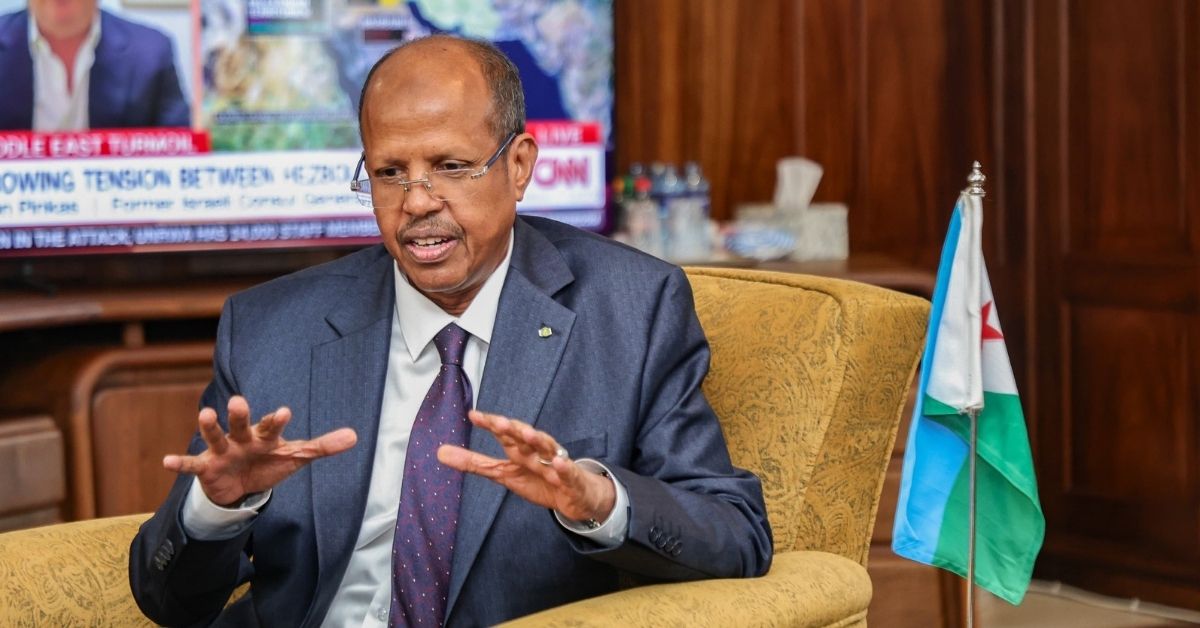
Youssouf’s first major test will be setting the tone for his administration’s priorities, particularly in addressing Africa’s security challenges and geopolitical realignment. Photo: Handout
A leadership transition has happened at the African Union Commission (AUC) in Addis Ababa, marking the end of Moussa Faki Mahamat’s eight-year tenure and the beginning of Mahmoud Ali Youssouf’s administration.
The official handover, framed by the AU headquarters as a moment to “celebrate the legacy of the past and welcome the future”, also features the swearing-in of four newly elected AU Commissioners.
But beyond the ceremonial optics, the real political maneuvering has already begun, as Youssouf assembles his inner circle of trusted allies and regional power brokers.
As he assumes office, Africa’s most pressing diplomatic and security crises await his leadership, testing whether the AU under his tenure will assert its authority or continue to be an overstretched bureaucracy struggling for relevance on the global stage.
Building a Power Base: Youssouf’s Inner Circle Takes Shape
Youssouf, a veteran diplomat and Djibouti’s former Foreign Minister, has wasted no time in structuring his administration.
His first appointments suggest a carefully calibrated approach—a mix of trusted allies, regional balance, and technocratic experience to shape the Commission’s direction.
Among the key appointments is Mohamed El-Amine Souef, a seasoned Comorian diplomat who will serve as Chief of Staff.
His selection is strategic, given his extensive experience in regional security, peace negotiations, and AU partnerships. Souef, a former AU Special Envoy on Somalia, is expected to play a crucial role in Youssouf’s efforts to navigate Africa’s mounting security crises.
Another critical appointment is Nuur Sheikh, the former IGAD spokesperson, who will now oversee the AUC’s boss communications and public engagement strategy.
The role is often overlooked but increasingly vital, as the AU seeks to rebrand itself as a more proactive institution in global diplomacy.
Managing narratives around AU interventions, peace efforts, and Africa’s positioning in multilateral forums will be a key aspect of Sheikh’s portfolio.
Meanwhile, Moussa Mohamed Omar, formerly the communications director at Djibouti’s Foreign Ministry, will take over as Deputy Chief of Staff, replacing Tordeta Ratebaye.
His appointment signals an effort to ensure internal coordination remains tight, particularly as Youssouf takes on Africa’s most pressing geopolitical challenges.
While these initial appointments consolidate Youssouf’s inner circle, more senior advisers, diplomatic strategists, and policy experts are expected to be appointed in the coming weeks, shaping how his administration will function.
Power Balancing and Regional Representation
As with any AU leadership transition, the formation of the Chairperson’s Bureau is as much about strategy as it is about politics.
While newly elected chairs often bring in loyalists and campaign allies, they must also ensure regional representation to reflect the continent’s diversity.
Youssouf’s team leans heavily towards Horn of Africa influence, with Djiboutian and Comorian diplomats taking key positions.
However, AU observers expect further appointments from other regions to balance institutional legitimacy.
The Chief of Staff role, historically, has been one of the most powerful within the AU Commission.
It often dictates strategic engagements with external partners, from the United Nations to regional economic blocs and even foreign governments invested in Africa’s stability.
How Souef leverages this position will shape the AU’s influence over the next four years.
A Leadership Tested by Crisis
Youssouf takes over at a time when Africa’s diplomatic landscape is fraught with crises, and expectations for the AU to assert itself in resolving conflicts, advancing economic integration, and securing Africa’s voice in global affairs have never been higher.
The security situation remains fragile across multiple regions, with ongoing conflicts in Sudan, eastern DRC, and the Sahel putting AU peace efforts to the test.
Despite the AU’s commitment to Silencing the Guns, its flagship initiative to end armed conflict, real progress has been limited.
Beyond security, economic integration remains a major hurdle. The African Continental Free Trade Area (AfCFTA)—a landmark agreement designed to boost intra-African trade—is still bogged down by bureaucratic inefficiencies and protectionist policies.
Youssouf’s challenge will be to push member states to implement AfCFTA effectively, ensuring it does not remain just a symbolic agreement with little real impact on the ground.
Africa’s global positioning is also at stake.
The AU recently secured a permanent seat at the G20, a major diplomatic win. However, turning that seat into real influence in shaping global economic policies will require strategic maneuvering.
Youssouf must push for Africa’s interests in debt restructuring, climate financing, and fair trade policies, ensuring the continent is not sidelined in major global decisions.
The Road Ahead: Can Youssouf Redefine the AU’s Relevance?
As he formally takes office, Youssouf’s leadership will be defined by whether he can move the AU beyond rhetoric and into tangible action.
His first major test will be setting the tone for his administration’s priorities, particularly in addressing Africa’s security challenges and geopolitical realignment.
With growing divisions between West African nations, the increasing influence of military juntas, and external powers competing for dominance on the continent, Youssouf’s ability to navigate these complexities will determine the AU’s trajectory.
The transition ceremony in Addis Ababa may mark the beginning of a new chapter for the AU, but for Youssouf, the challenge is clear: will his tenure be remembered for diplomatic inertia or for repositioning the AU as a decisive force in African and global affairs?
The clock is ticking.
Your support empowers us to deliver quality global journalism. Whether big or small, every contribution is valuable to our mission and readers.





