





Algerian Diplomat Selma Haddadi Takes Over as AUC Deputy Chair
| March 13, 2025
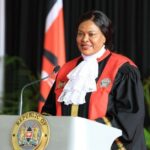
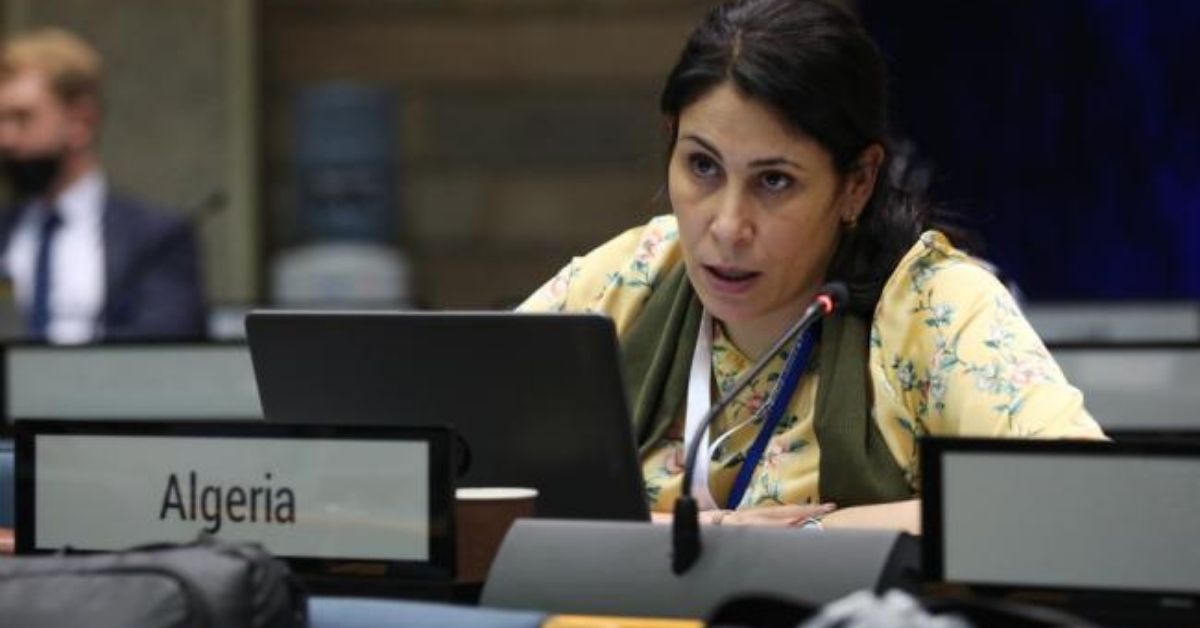
As Algeria’s ambassador to Ethiopia and permanent representative to the AU, she was deeply embedded in Addis Ababa’s diplomatic circuit, navigating the complexities of AU decision-making. Photo: Handout
Selma Haddadi, a seasoned Algerian diplomat, has officially assumed office as Deputy Chairperson of the African Union Commission (AUC), succeeding Rwanda’s Monique Nsanzabaganwa, whose tenure ended on Thursday.
Elected during the February 2025 AU Summit, Haddadi now serves as Mahmoud Ali Youssouf’s second-in-command, tasked with overseeing the commission’s administrative and financial machinery—a role that positions her at the heart of the AU’s operational framework.
A Competitive Election, A Strategic Victory
Haddadi’s ascent was far from routine. She secured the position after a tightly contested race, edging out five other contenders from North Africa, including a Moroccan candidate.
Her victory cements Algeria’s growing influence within the AU at a time of significant geopolitical recalibration across the continent.
For Algiers, this win consolidates its strategic positioning within African diplomacy, reinforcing its role as a key player in shaping AU policy and continental governance.
The election outcome also reflects the increasingly competitive nature of leadership contests within the AU, where regional rivalries and diplomatic maneuvering remain deeply entrenched.
Diplomatic Pedigree and Regional Influence
Haddadi steps into her new role with a strong diplomatic track record.
As Algeria’s ambassador to Ethiopia and permanent representative to the AU, she was deeply embedded in Addis Ababa’s diplomatic circuit, navigating the complexities of AU decision-making.
Her prior posting as Algeria’s envoy to Kenya between 2019 and 2023 also expanded Algiers’ reach into East Africa, strengthening bilateral and regional ties.
More recently, she headed the Directorate General for Africa at Algeria’s Ministry of Foreign Affairs, positioning herself at the intersection of North African and sub-Saharan diplomatic affairs.
This experience gives her a deep understanding of AU structures, a factor that likely played to her advantage in securing the Deputy Chair role.
A Reformist Agenda or Business as Usual?
Haddadi’s campaign emphasized efficiency, financial prudence, and institutional reform—themes that resonate within an AU often criticized for bureaucratic inertia and financial mismanagement.
She now inherits the complex task of steering the Commission’s internal operations, managing budgets, and ensuring that AU programs are effectively implemented.
The challenge will be balancing the Commission’s pan-African mission with the political interests of member states, many of which wield significant influence over AU funding and agenda-setting.
Her tenure will also be watched for signs of whether she can break from the traditional bureaucratic mold or if her leadership will maintain the status quo of slow-moving institutional processes.
Algeria’s Expanding AU Influence
Haddadi’s appointment is part of a broader Algerian strategy to increase its leverage within AU structures.
With Algiers having actively pushed for leadership roles in African institutions, her victory aligns with a long-term effort to assert Algeria’s diplomatic weight on the continent.
Beyond the administrative role, the Deputy Chairpersonship provides Algeria with greater strategic access to AU decision-making, positioning the country as a key player in continental governance.
From her days as an ambassador and deputy head of mission in Addis Ababa to now occupying one of the AU’s highest offices, Selma Haddadi has transitioned from representing Algeria’s interests to managing the Commission’s internal machinery.
How she navigates the political and institutional landscape of the AU over the next three years will determine whether she leaves a lasting impact on the organization’s efficiency—or simply becomes another functionary in its bureaucratic framework.
With Algeria seeking a greater role in African affairs, her tenure will also be seen as a test of whether her leadership translates into broader influence for Algiers within the AU’s corridors of power.
Your support empowers us to deliver quality global journalism. Whether big or small, every contribution is valuable to our mission and readers.