

























Kenya Braces for Possible Deadlock as Raila Odinga Faces Toughest Diplomatic Battle Yet
By Mwangi Maina
| February 13, 2025
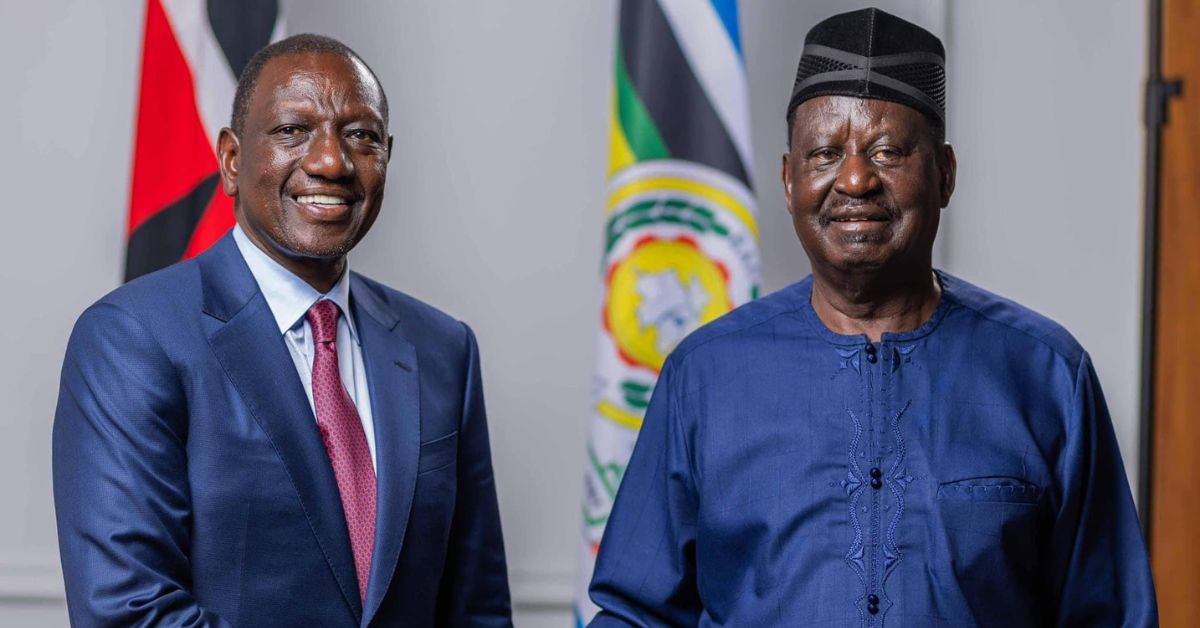
President William Ruto and Raila Odinga at the launch of Odinga’s campaign for the African Union Commission’s (AUC) chairpersonship at State House, August 2024. Photo: Handout
Kenya’s high-stakes gamble at the African Union Commission (AUC) elections is unfolding with an air of tension and diplomatic anxiety.
President William Ruto arrived in Addis Ababa on Thursday, ready to cast the first symbolic vote in favor of his former political nemesis-turned-ally, Raila Odinga.
Kenya’s top diplomat, Musalia Mudavadi, has already raised the stakes, warning against any postponement of the vote.
“If we fail to elect a chairperson at this critical juncture, Africa will look weak, confused, and indecisive,” said Mudavadi during the Executive Council meeting of foreign ministers.
“This is a moment for Africa to show leadership and unity.”
It’s a bold statement—perhaps a bit premature. Elections for the AUC chair are not scheduled until Saturday.
Yet Mudavadi’s remarks suggest Nairobi may be smelling something others haven’t: the possibility of a deadlock.
Diplomatic Paranoia or Calculated Strategy?
Past experiences lend credence to Kenya’s concerns. In 2016, a similar vote in Kigali ended in a diplomatic stalemate when none of the three candidates secured the required two-thirds majority. Leaders were forced to postpone the election.
Could history repeat itself? If abstentions pile up in the final round, it could deny any candidate the majority and push the vote to July this year.
Still, Kenya remains optimistic. Officially, Nairobi is confident Raila will win. Yet the mixed messaging—expressing both confidence and concern—raises questions.
Is it fear? A lack of preparedness? Or simply hedging their bets?
A Contested Race Full of Drama and Intrigue
This election campaign has been anything but smooth. It has exposed deep regional fractures and revived old rivalries that transcend the traditional Anglophone-Francophone divide.
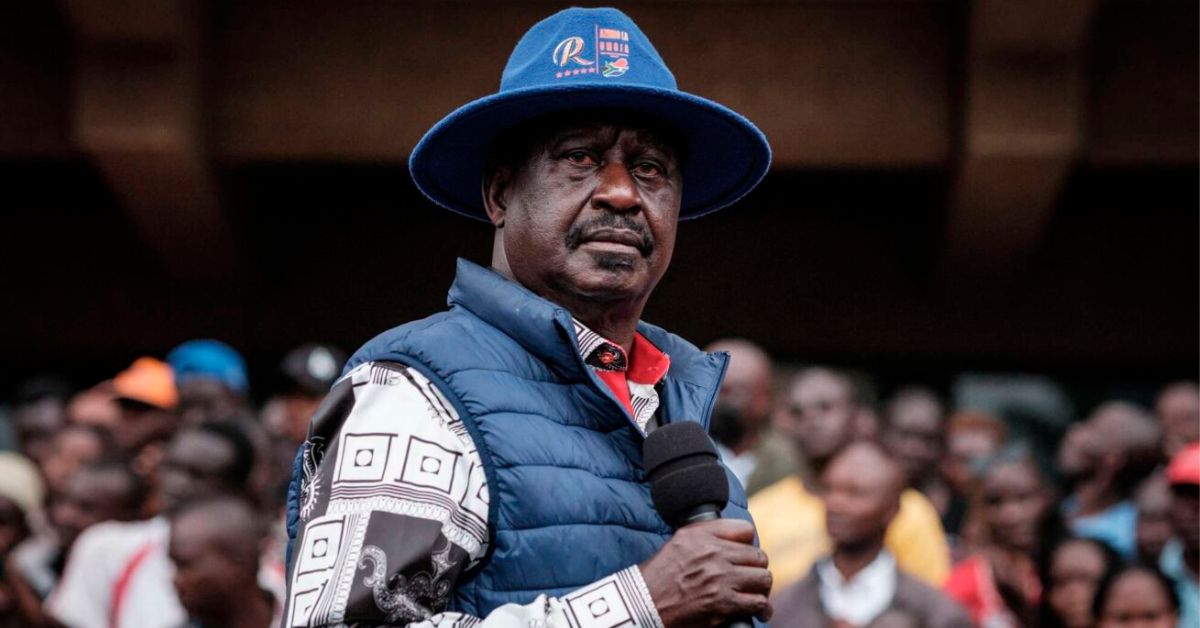
For Raila, this is no ordinary election—it’s the most intense diplomatic battle of his life.
For President Ruto, it’s a major test of his diplomatic clout three years since he became president.
Ruto is already working the corridors of power in Addis, engaging in last-minute backroom diplomacy.
The stakes are enormous. A Raila victory would be a coup for Ruto, removing a formidable opposition figure from the domestic scene.
But a loss could be politically damaging, bringing Raila back home to a country already simmering with political discontent. The race is also one of the most dramatic in recent AU history.
This is Kenya’s second attempt at the top job, following Amina Mohamed’s 2017 defeat to outgoing chairperson Moussa Faki.
It’s also only the third time a major regional power is bidding for the chair’s position—a role traditionally reserved for smaller, neutral economies.
Lessons from History
In 2012, South Africa shattered an unwritten rule when Dr. Nkosazana Dlamini-Zuma ran for and won the chairperson seat, despite representing a major African power.
Kenya, fearing a “power grab,” opposed her candidacy and backed Gabon’s Jean Ping. The result? Pretoria secured the chair and Kenya won the deputy chair position, breaking another tradition by handing both roles to Anglophone countries.
This time around, Kenya is betting everything on Raila. But as history has shown, endorsements and promises mean little in secret ballot voting.
Raila’s success depends on Nairobi’s ability to convert those pledges into actual votes—a lesson painfully learned during Amina’s 2017 bid.
A Calculated Gamble
If Raila wins, Ruto will have scored a significant diplomatic victory and weakened the opposition at home.
But if the gamble fails, it could embolden Raila’s supporters and deepen political divisions in Kenya.
For now, all eyes are on Addis, where the weekend promises backroom deals, strategic maneuvers, and perhaps, another dramatic twist in African Union politics.
Your support empowers us to deliver quality global journalism. Whether big or small, every contribution is valuable to our mission and readers.





