

























North Africa’s AU Power Duel
| February 13, 2025

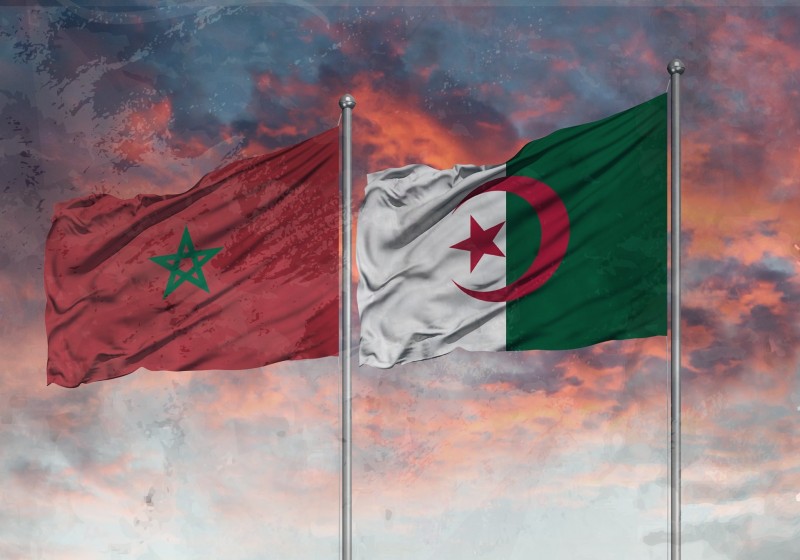
Algeria vs. Morocco: North Africa’s rivarly unfolds at the African Union. Image: Handout
A diplomatic showdown erupted between Morocco and Algeria in Addis Ababa on Wednesday during the African Union Executive Council meeting, where foreign ministers gathered to elect senior AU Commission leadership.
Predictably, the rivalry between the two North African powerhouses turned into a bitter contest for a seat on the AU Peace and Security Council (AUPSC), with both countries blocking each other’s bid and ultimately deadlocking the election.
In the final round, Algeria secured 30 votes while Morocco trailed with 15. However, due to abstentions, neither country achieved the two-thirds majority required for victory, forcing the postponement of the election.
It’s a classic outcome when these two rivals meet—escalating tensions rather than finding consensus.
A History of Diplomatic Deadlock
North Africa’s battles at the AU have long been marked by fierce competition, particularly between Morocco and Algeria, whose disputes often overshadow broader continental interests.
The rivalry is rooted in their differing stances on the Western Sahara conflict, with Morocco seeking international recognition of its sovereignty over the territory, while Algeria backs the Polisario Front’s fight for independence.
Diplomatic compromise is rare.
Even last year, when the Mauritanian President was handed the rotational AU chairmanship, it was widely seen as a move to neutralize tensions between Rabat and Algiers.
High-Stakes Showdown for AU Leadership The drama at the Peace and Security Council election may pale in comparison to what’s expected during the upcoming AU Commission leadership vote.
Algeria and Egypt have each fronted two candidates—one male and one female—while Morocco and Libya have also put forward female candidates for the coveted deputy chair position.
Here’s where the intrigue deepens: since the AU chairperson seat reserved for East Africa has only male contenders, the deputy chair must go to a woman from North Africa, guaranteeing that one of the female candidates will clinch the position.
The Candidates: A Diplomatic Chess Game
Algeria’s candidate is Salma Malika Haddadi, a seasoned diplomat and former envoy to Kenya. Morocco has put forward Latifa Akharbach, a journalist-turned-politician with significant diplomatic experience.
Both are heavyweight contenders, reflecting the fierce ambitions of their respective countries at the AU.
In a twist of regional balance, Libya has nominated Najat Hajjaji, while Egypt has endorsed Hanan Morsy, a well-regarded economist and current Deputy Executive Secretary of the United Nations Economic Commission for Africa in Addis.
If Algeria and Morocco can’t settle on a compromise, Libya or Egypt’s candidate may emerge as the dark horse.
Dean of the Region Holds Key Influence
Only candidates nominated through the Dean of the Diplomatic Corps for the Northern Africa region can officially stand for election.
Ironically, the current dean is the ambassador of the Sahrawi Arab Democratic Republic (SADR)—a state Algeria recognizes, but Morocco vehemently opposes.
His role as dean is a thorn in Rabat’s side and a testament to the region’s deep divisions.
This week’s elections are about more than just individual candidates—they reflect the broader balance of power across the continent.
Morocco and Algeria’s battle for influence at the AU mirrors their escalating political and economic rivalry, with growing fears that their competition could take on new, more dangerous dimensions.
As North Africa’s geopolitical tug-of-war plays out in Addis Ababa, one thing is certain: the coming days will determine not just the future of the AU leadership but also the evolving dynamics of one of the continent’s most enduring rivalries.
Your support empowers us to deliver quality global journalism. Whether big or small, every contribution is valuable to our mission and readers.





