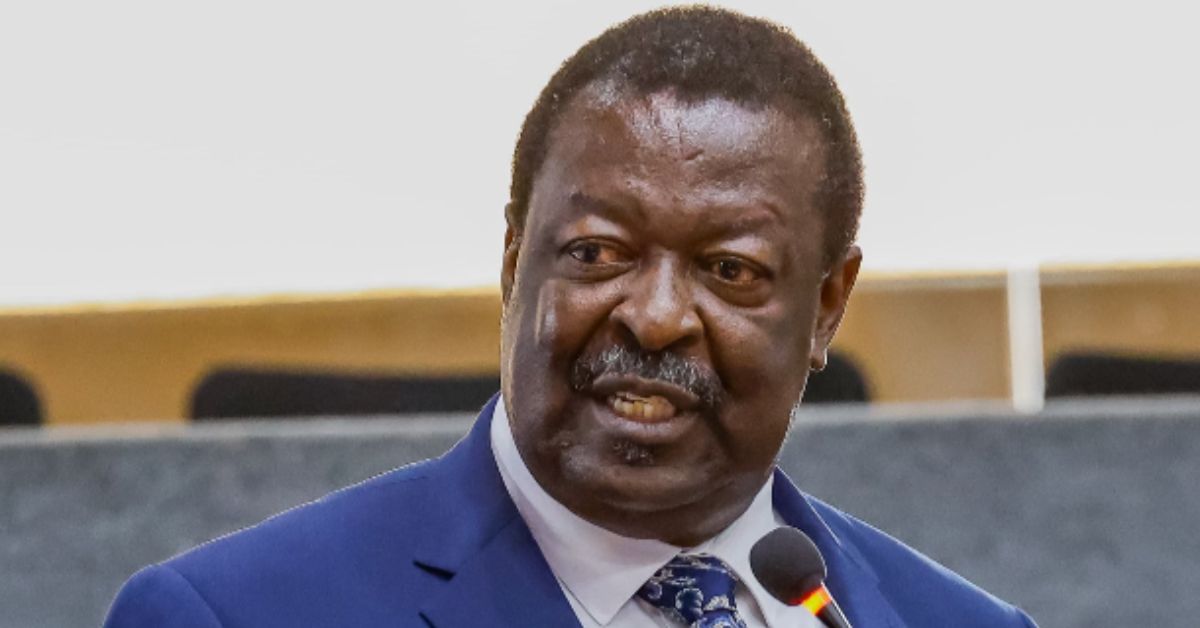
Mudavadi’s ‘Africa First’ Rhetoric Clashes with Foreign-Funded Reality
| March 18, 2025
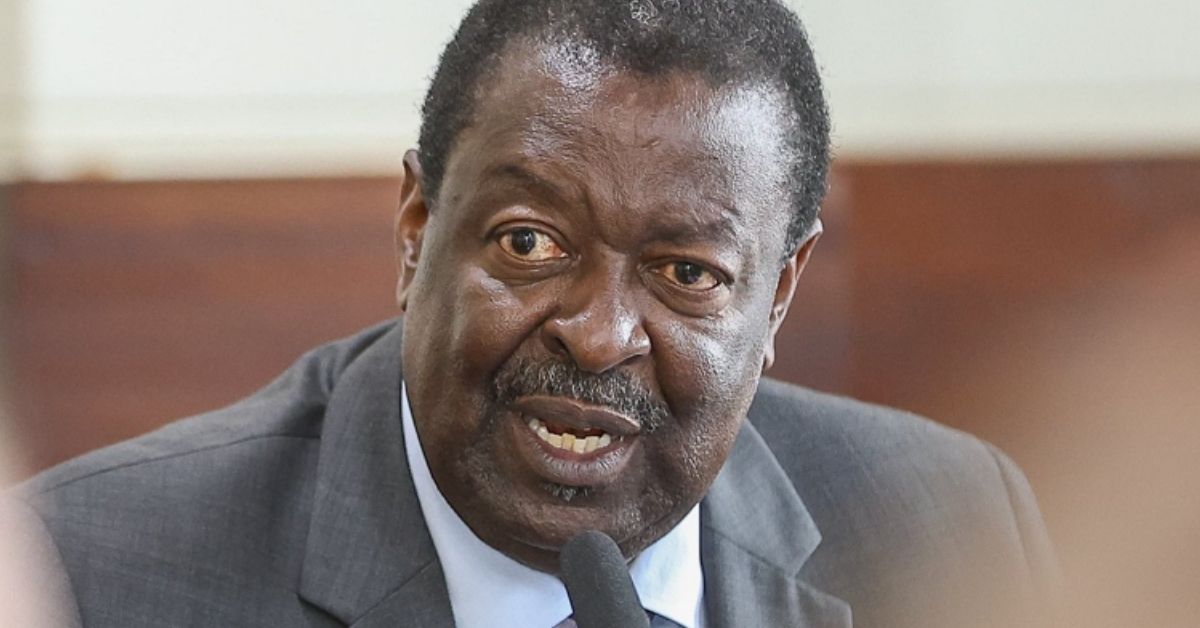
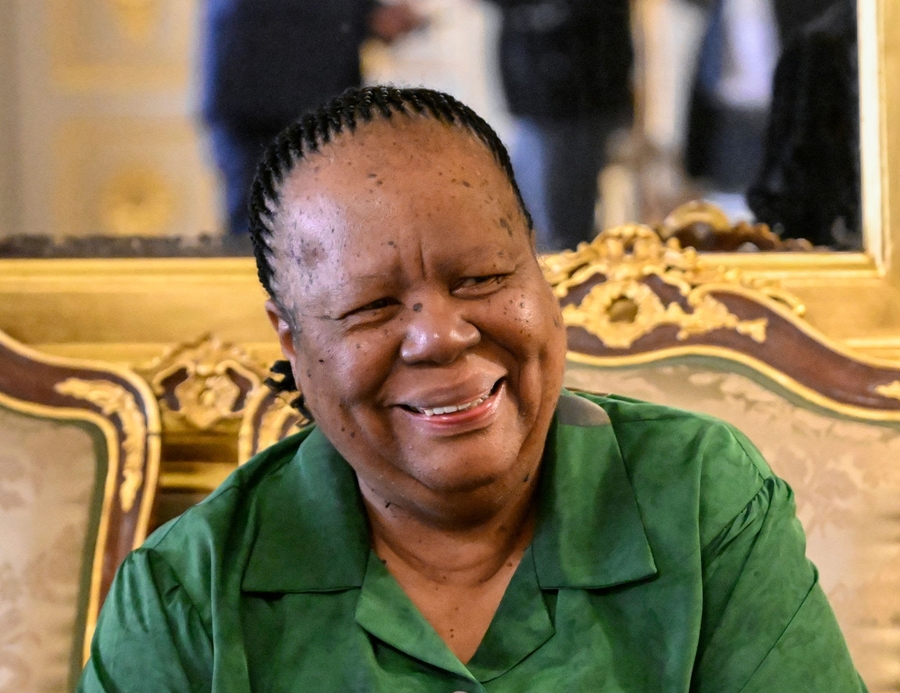
Yet, behind the rhetoric lies a paradox. Much of the funding for these African-led peace efforts—particularly the Nairobi and Luanda processes—originates from the very external actors Mudavadi wants kept at bay. Photo: Handout
Kenya’s top diplomat Musalia Mudavadi has once again amplified calls for “African solutions to African problems,” urging regional blocs to insulate peace processes from foreign interference.
At a joint ministerial meeting between the East African Community (EAC) and the Southern African Development Community (SADC) in Harare, Mudavadi appealed for African unity and autonomy in addressing the protracted conflict in eastern Democratic Republic of Congo (DRC).
“We must uphold the sovereignty and territorial integrity of the DRC and minimize the influence of actors outside Africa, including foreign militaries and mercenaries,” Mudavadi declared.
He further criticised the imposition of “unilateral sanctions” on Rwanda by Western countries, arguing such moves erode the authority of African institutions such as the AU, EAC, and SADC.
Yet, behind the rhetoric lies a paradox. Much of the funding for these African-led peace efforts—particularly the Nairobi and Luanda processes—originates from the very external actors Mudavadi wants kept at bay.
The European Union, for instance, has played a central role in financing regional mediation efforts in eastern DRC, including bankrolling the Nairobi Peace Process spearheaded by former Kenyan President Uhuru Kenyatta.
Under the Nairobi Process, Kenya allocated $6 million prior to President Kenyatta’s departure from office. Additional support came from Tanzania, Uganda, Senegal, and Angola, each contributing $1 million.
However, this funding was complemented—and significantly bolstered—by donor support, especially from the EU. Burundi and South Sudan, while contributing troops under the EAC Regional Force (EACRF), did not inject substantial financial resources.
The contradiction is glaring: while African leaders rally for self-reliance in peacebuilding, their initiatives often hinge on foreign funding, particularly from Western institutions.
This raises a crucial question: Can Africa truly exercise independent diplomacy and mediation while relying on external financial backing?
Rwanda’s financial role in the Nairobi Process also remains unclear, intensifying scrutiny over burden-sharing and the sustainability of African-led peace initiatives.
The lack of transparency on funding, especially from key actors like Kigali, further complicates the picture.
Mudavadi’s call reflects a long-standing tension in African diplomacy—asserting sovereignty in process while grappling with external patronage in practice.
As Nairobi positions itself as a regional powerbroker in the DRC peace efforts, the balance between political independence and financial dependency will continue to be tested.
Ultimately, for Africa’s quest for self-determined peace solutions to hold weight, leaders may need to pair strong rhetoric with concrete strategies for domestic resource mobilization.
Until then, external actors will remain firmly in the room—whether welcomed or not.
Your support empowers us to deliver quality global journalism. Whether big or small, every contribution is valuable to our mission and readers.