| January 20, 2025
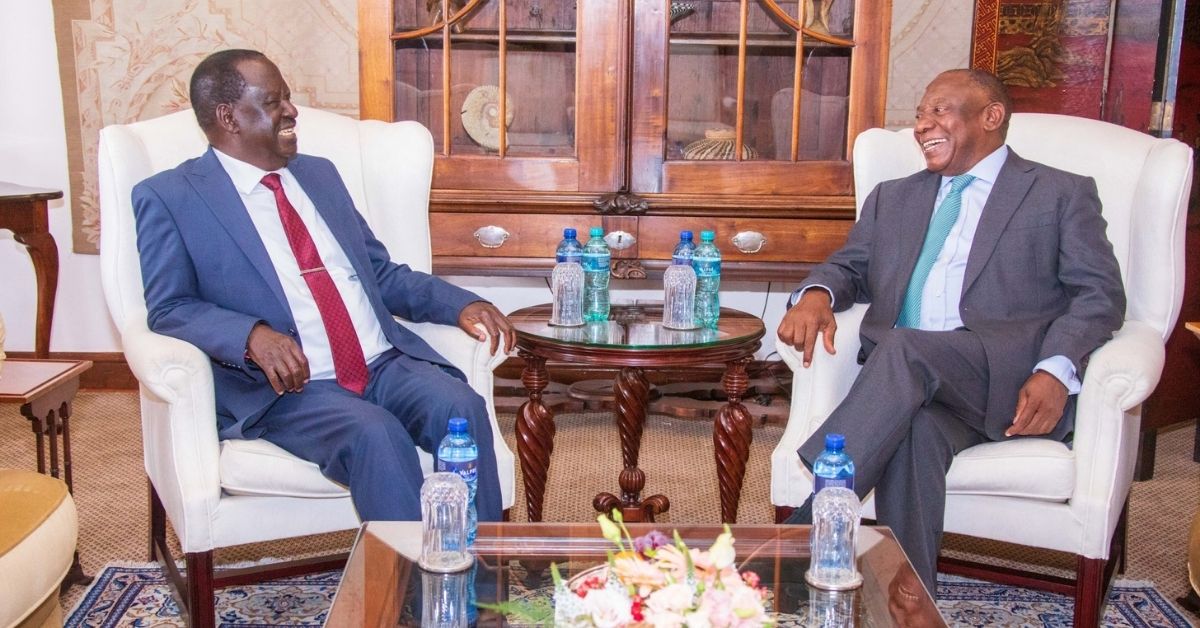
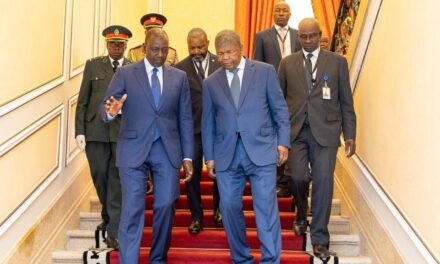
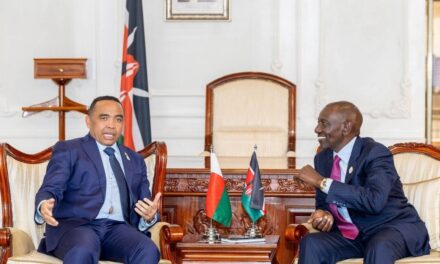
Raila Odinga in talks with South African President Cyril Rampahosa. The campaign’s high-profile nature and its costly logistics have raised further questions about the use of taxpayer money in a bid that, for many, still seems clouded in ambiguity. With the AU elections set for February 2024 in Addis Ababa, Ethiopia, it remains to be seen whether Kenya’s charm offensive will succeed—and at what cost to the taxpayer. Photo: Raila Odinga
Kenya’s push for Raila Odinga to lead the African Union Commission (AUC) continues to stir debate, as questions about the transparency of funding for his campaign grow louder.
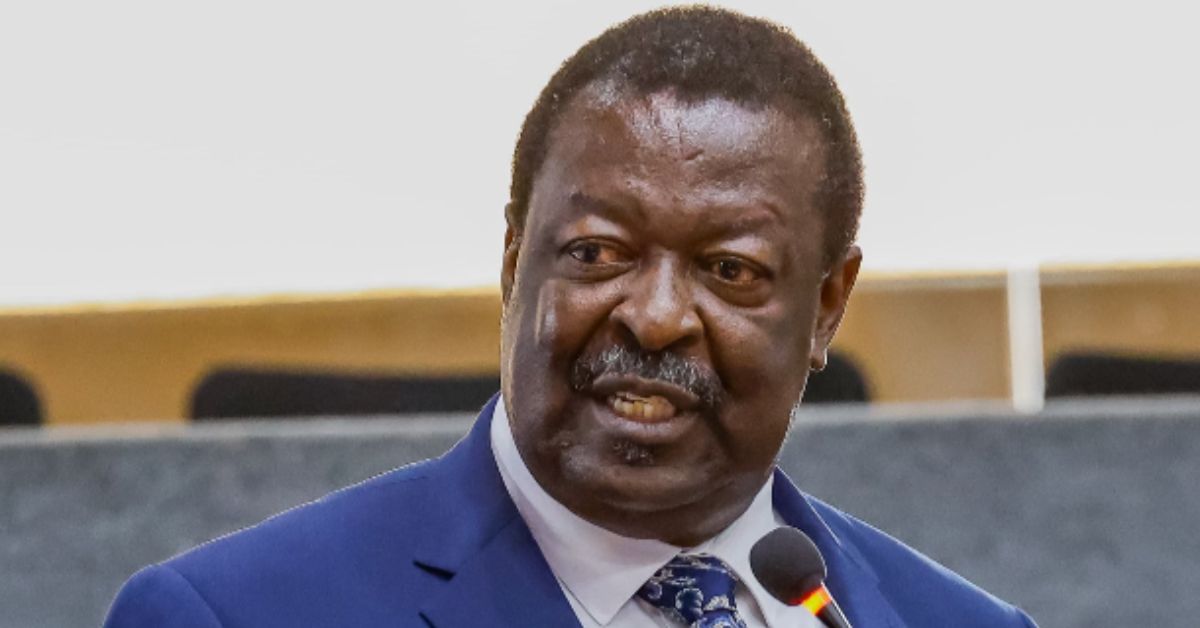
Musalia Mudavadi, Kenya’s top foreign policy official, was on Sunday pressed on the issue but fell short of providing concrete details about the government’s financial involvement in Odinga’s bid.
In a candid interview on NTV, Mudavadi was asked repeatedly about the claims that the government had allocated 10 billion Kenyan shillings to support Odinga’s AUC campaign.
Despite assurances that Kenya was fully engaged in the lobbying effort, Mudavadi’s responses left much to be desired, with his inability to give a clear figure raising eyebrows among Kenyans and observers alike.
“If we were to put some resources, as a government, take it from me, it can never be 10 billion,” Mudavadi said, refuting the rumors of a large budget.
However, his insistence on the government’s involvement without revealing exact figures has only fueled suspicions of potential mismanagement of public funds.
His remarks come at a time when public discontent is growing over Kenya’s campaign expenditures, particularly given the ongoing challenges faced by the country’s education and health sectors.
As many Kenyan children struggle to access basic learning resources, the notion of using public money for political campaigns has become a controversial topic on social media and among concerned citizens.
Mudavadi, however, dismissed critics who voiced their frustrations, suggesting that it was patriotism, jealousy, or even malice driving some of the opposition.
He expressed surprise at the negative reactions, especially considering that the bid could elevate a Kenyan to a significant leadership position within the AU.
“Is it patriotism? Is it jealousy? Is it somebody being petty, or is it malice?” Mudavadi remarked, as he questioned the motivations behind the growing backlash against Odinga’s campaign.
The vagueness surrounding the financial aspects of the campaign has intensified scrutiny over the government’s role in advancing Odinga’s candidacy.
Critics argue that Kenya’s push for his leadership might be more politically motivated than focused on advancing the continent’s goals.
Ex-UN envoy Martin Kimani, who previously criticized Odinga’s bid, emphasised the political nature of the campaign, suggesting it reflected Kenya’s internal dynamics rather than purely technocratic reasons.
“Kenya is seeking this position not due to technocratic reasons but political ones. Kenya wants to promote Raila Odinga because of his political profile and our internal political dynamics,” Kimani remarked last year.
Kenya’s approach to lobbying for Odinga’s AUC bid has been marked by aggressive diplomacy, with the former Prime Minister crisscrossing Africa in a chartered private jet, a luxury often associated with presidents.
The campaign’s high-profile nature and its costly logistics have raised further questions about the use of taxpayer money in a bid that, for many, still seems clouded in ambiguity.
With the AU elections set for February 2025 in Addis Ababa, Ethiopia, it remains to be seen whether Kenya’s charm offensive will succeed—and at what cost to the taxpayer.
Your support empowers us to deliver quality global journalism. Whether big or small, every contribution is valuable to our mission and readers.