











Diversion in Mogadishu: Why Somalia’s President Picked a Fight With the UAE
By KFP Editor
| November 25, 2026
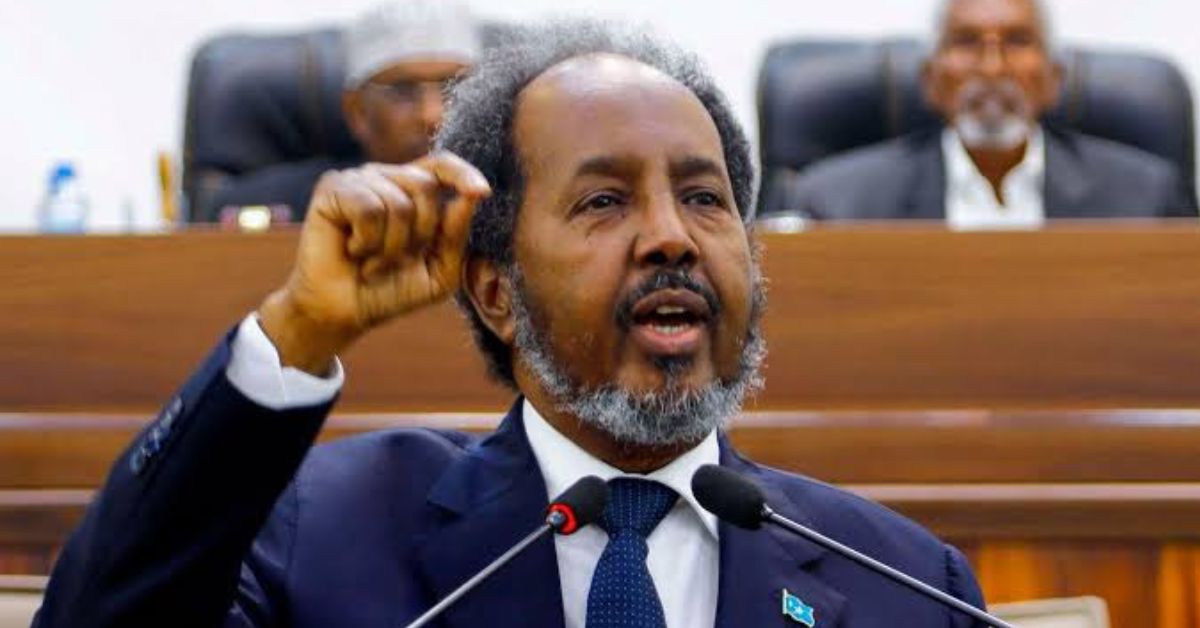
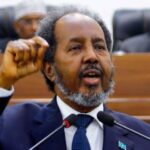
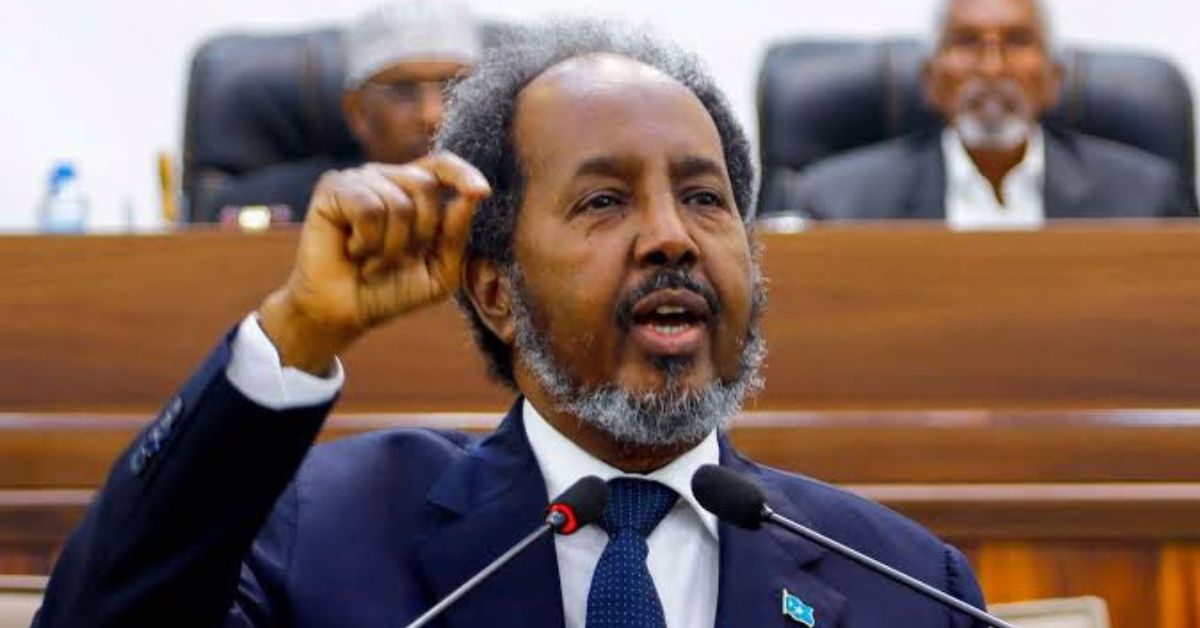
Somali president Hassan Sheikh Mohamud.
WHEN leaders run out of road at home, reaching for a foreign villain is one of politics’ oldest instincts. On November 19, Somalia’s cabinet ordered the United Arab Emirates ambassador to leave Mogadishu within 72 hours and recalled its own envoy from Abu Dhabi.
President Hassan Sheikh Mohamud accused the Gulf state of violating Somalia’s sovereignty, stoking domestic divisions, and striking unauthorised port and security deals with regional administrations in Somaliland, Puntland, and Jubaland.
Abu Dhabi dismissed the move as “unjustified, escalatory and hostile”, noting it had already closed its Mogadishu embassy in January.
On the surface, the rupture looks like a fierce defence of national sovereignty. Look beneath the diplomatic theatre, however, and Mr Mohamud’s sudden confrontation with a longtime Gulf partner looks far more like a calculated distraction from a presidency unravelling at home.
The trigger is a deepening constitutional crisis. Elected in May 2022 for a four-year term, Mr Mohamud pushed through parliamentary amendments in March that extended presidential and legislative mandates to five years, abolished the post of prime minister, and scrapped Somalia’s clan-based 4.5 power-sharing system.
The overhaul triggered fierce resistance from Puntland, Jubaland, and opposition leaders, sparking deadly armed clashes in Mogadishu and near Baidoa.
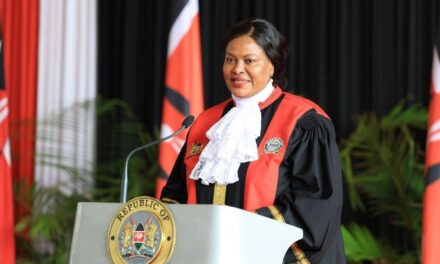
On November 5, the crisis hit a legal wall. A day after Mr Mohamud attempted to dismiss Supreme Court Chief Justice Baashe Yusuf Ahmed, the court declared the firing unlawful, ruled that the president’s mandate had expired in May, and ordered leaders to agree on an electoral framework within 30 days and hold polls within 90 days.
The presidency rejected the judgement, leaving Somalia trapped in a dangerous standoff between a caretaker executive and its own judiciary.
At the same time, Mr Mohamud’s administration is buckling under governance and corruption scandals. Somalia ranked 179th out of 180 countries on Transparency International’s 2024 Corruption Perceptions Index.
In January, Washington suspended assistance over allegations that Somali officials demolished a World Food Programme warehouse and seized food aid—charges Mogadishu denied.
Months later, Kenyan immigration officials detained Somalia’s second deputy prime minister at Nairobi’s airport over a suspected fraudulent Kenyan passport, adding to domestic anger over nepotism and ghost workers on the federal payroll.
Unable to quell opposition at home or contain a resurgent al-Shabaab insurgency, Mr Mohamud has pivoted sharply toward Saudi Arabia. Following a defence pact signed in Riyadh in February, Saudi Arabia has bankrolled the training of more than 5,000 Somali recruits in central Somalia’s Guriceel area, a programme reportedly assisted by foreign military contractors.
Critics warn the force risks entangling Somali troops in wider Red Sea rivalries and deepens Mogadishu’s alignment with Riyadh just as Saudi and Emirati interests diverge across the Horn of Africa.
Turning the UAE into a public foil may rally nationalist sentiment in Mogadishu for a few news cycles. Yet as Puntland’s president, Said Abdullahi Deni, pointedly noted this week, Somalia’s constitutional and federal fractures were made by Somalis, and no foreign scapegoat will repair them.
Your support empowers us to deliver quality global journalism. Whether big or small, every contribution is valuable to our mission and readers.