Palestinian Leader Takes the Stage at AU Amid Divisions on Israel
By Mwangi Maina
| February 14, 2025
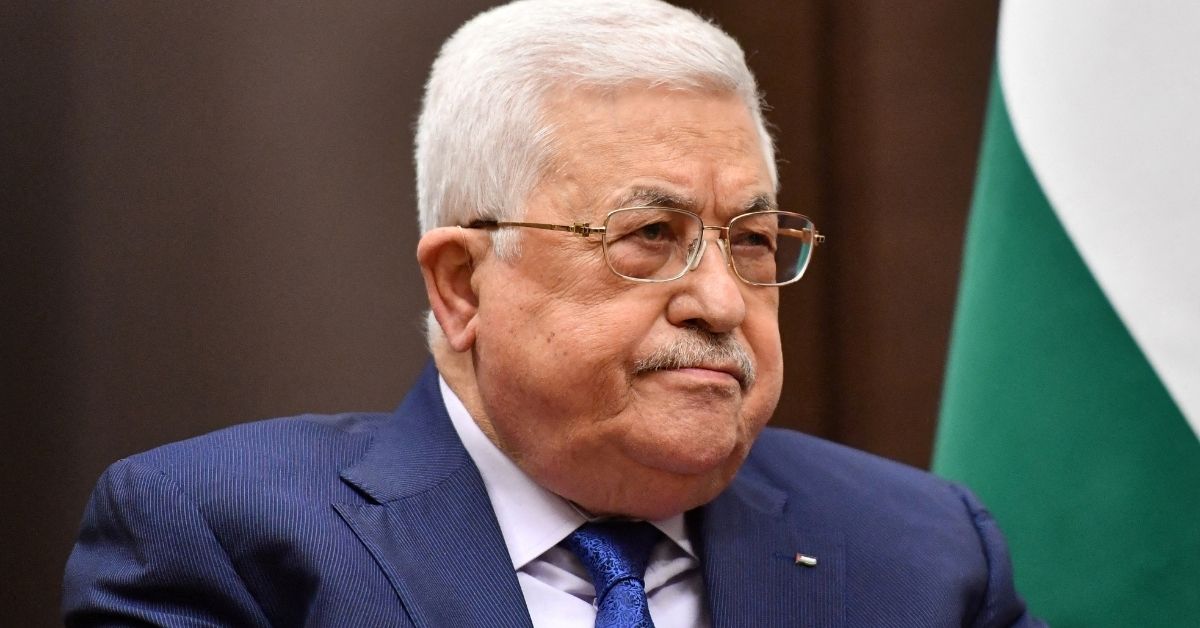
Palestinian President Mahmoud Abbas attends a meeting with Russian President Vladimir Putin in Sochi, Russia November 23, 2021. Photo: Reuters
The African Union will once again give Palestinian Authority President Mahmoud Abbas a platform on Saturday, where a harsh critique of Israel is expected.
His presence comes at a time when Africa’s historical solidarity with Palestine is increasingly complicated by deep internal divisions and growing Israeli ties across the continent.
Abbas has become a regular fixture at AU summits, consistently using the stage to remind African leaders of the long-standing Palestinian struggle.
This tradition of solidarity harks back to 1975 when the Organisation of African Unity (OAU), the precursor to the AU, passed a landmark resolution condemning Israel’s “barbaric attacks on refugee camps and bombardment of civilian areas” in Southern Lebanon—citing violations of international and humanitarian law.
Shaken by the brutal violence inflicted on Palestinian civilians, the OAU reaffirmed its “total and unwavering support for the front-line states and the Palestinian people in their struggle to reclaim all occupied territories and usurped rights by any means necessary.”
AU Solidarity: Then and Now
Fast forward to 2025, and while the AU maintains symbolic support for the Palestinian cause, the landscape has changed.
The 55-member bloc is increasingly divided on how to address the issue. Several African countries now have strong bilateral ties with Israel, particularly in agri-tech, defence, and cybersecurity cooperation—further complicating the continent’s traditional pro-Palestinian stance.
In 2021, Israel’s controversial bid to rejoin the AU as an observer ignited a diplomatic firestorm. Outgoing AU Chair Moussa Faki approved the move, but the decision was swiftly challenged by powerhouses like South Africa and Algeria, which have remained staunch supporters of the Palestinian cause.
Interestingly, Kenya backed Israel’s observer status at the AU—a stance that drew diplomatic attention and stirred debate across the continent.
The big question now is whether the Palestinian issue will reemerge during this summit and potentially shape the high-stakes AU Commission leadership election.
Will the age-old solidarity hold, or will Africa’s increasingly pragmatic ties with Israel tilt the scales? As always at the AU, expect high drama and subtle maneuvering behind the scenes.
Your support empowers us to deliver quality global journalism. Whether big or small, every contribution is valuable to our mission and readers.