














Protocol and Politics: Nairobi’s Busy Diplomatic Week
| November 23, 2026

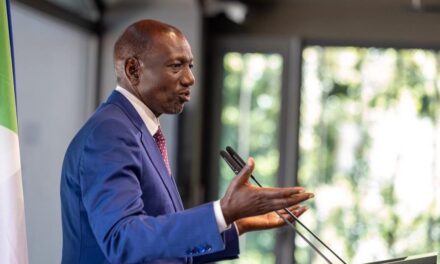
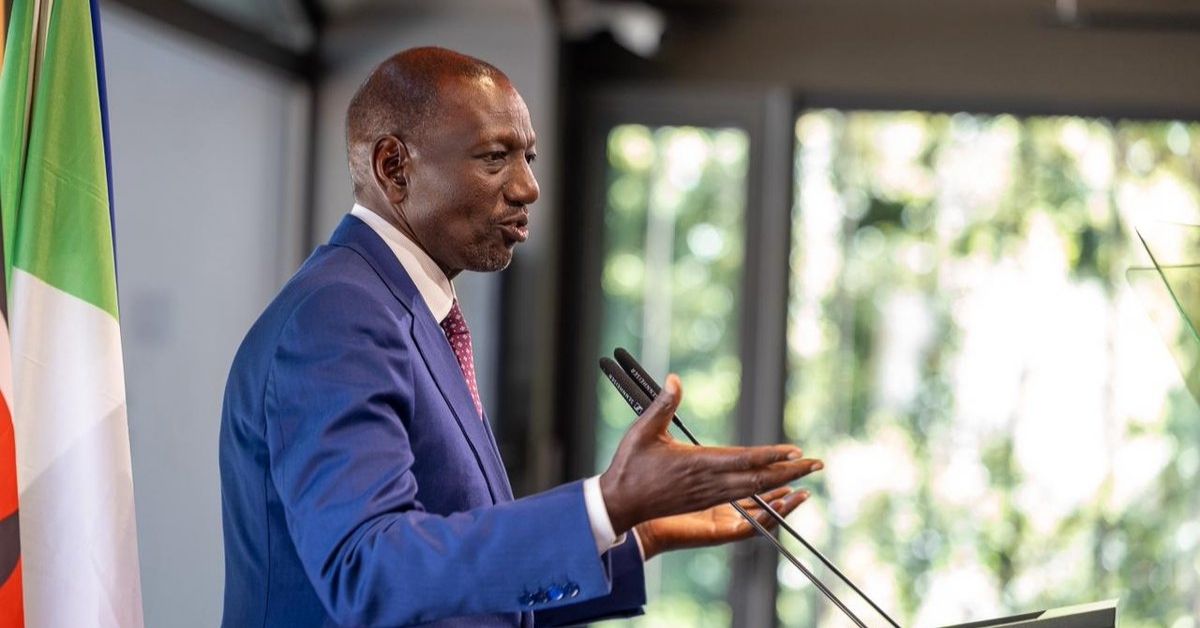
President William Ruto speaks during a media briefing with journalists on Sunday, December 17 at State House. Photo: Handout
There is a certain irony in watching foreign dignitaries queue up for photo opportunities in Nairobi this week.
Over the next few days, Kenya’s capital plays host to a strikingly varied trio of visitors. Zimbabwe’s president, Emmerson Mnangagwa, arrives for a state visit to co-chair the inaugural Zimbabwe–Kenya Bi-National Commission running from November 23 to 27.
Germany’s outgoing president, Frank-Walter Steinmeier, lands on November 25 for a farewell African tour before leaving office in March 2027—skipping pure protocol to inspect digital, health, and skills hubs at Tatu City and conservation sites in Naivasha.
Not to be outdone, Slovenia’s foreign minister, Tone Kajzer, arrives from November 25 to 27 with a 20-strong business delegation in tow, building on President Nataša Pirc Musar’s landmark visit last year.
To a casual observer, Nairobi looks like an island of diplomatic calm in a turbulent neighbourhood. Look closer, however, and this sudden burst of attention reveals a far more transactional reality.
Foreign capitals are not flocking to Nairobi out of awe for President William Ruto’s domestic political mastery—currently under strain ahead of a bruising 2027 election cycle. Rather, they are responding to structural gravity.
As home to over a hundred diplomatic missions and the United Nations’ only global headquarters in the Global South, Nairobi remains East Africa’s indispensable commercial and security switchboard.
Each visitor brings a distinct agenda. Berlin’s decision to send its outgoing head of state to a private urban development like Tatu City and a geothermal hub like Naivasha signals that Europe is pivoting away from traditional state-to-state aid toward private capital, skilled labour pipelines, and green energy.
Ljubljana, which covers Kenya from its embassy in Addis Ababa, has dispatched a blunt instrument of commercial diplomacy: a corporate delegation eager to sign chamber-of-commerce deals and secure a foothold in the East African Community.
Mnangagwa’s visit, meanwhile, tests regional optics. Fresh from succeeding Ruto as chair of the COMESA trade bloc, the Zimbabwean leader offers Nairobi a chance to showcase African solidarity and liberation-era ties—complete with Kenya’s predictable calls to lift Western sanctions on Harare—at a moment when Nairobi’s regional standing has been bruised by frosty relations with neighbours.
For Ruto, the timing could hardly be better. Fresh off a week crisscrossing Western Kenya in campaign gear to shore up his 2027 re-election bid, the diplomatic red carpets at State House offer a welcome visual reset—casting him as a global statesman rather than a politician fighting for survival.
Yet the irony remains hard to miss. Kenya’s hardest diplomatic work this week is not happening under the chandeliers of state banquets in Nairobi but in the quiet, unaccredited limbo of its embassy in Kinshasa—and the delicate follow-through after Sunday’s fence-mending summit with the DRC in Oyo, Republic of Congo.
Your support empowers us to deliver quality global journalism. Whether big or small, every contribution is valuable to our mission and readers.