




Kenya’s Okowa Wins ICJ Seat After Tense UN Deadlock
By Mwangi Maina
| November 3, 2026
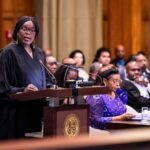
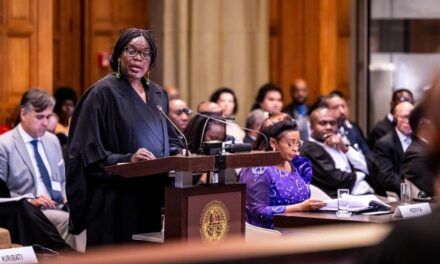
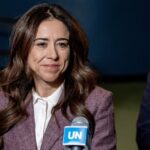
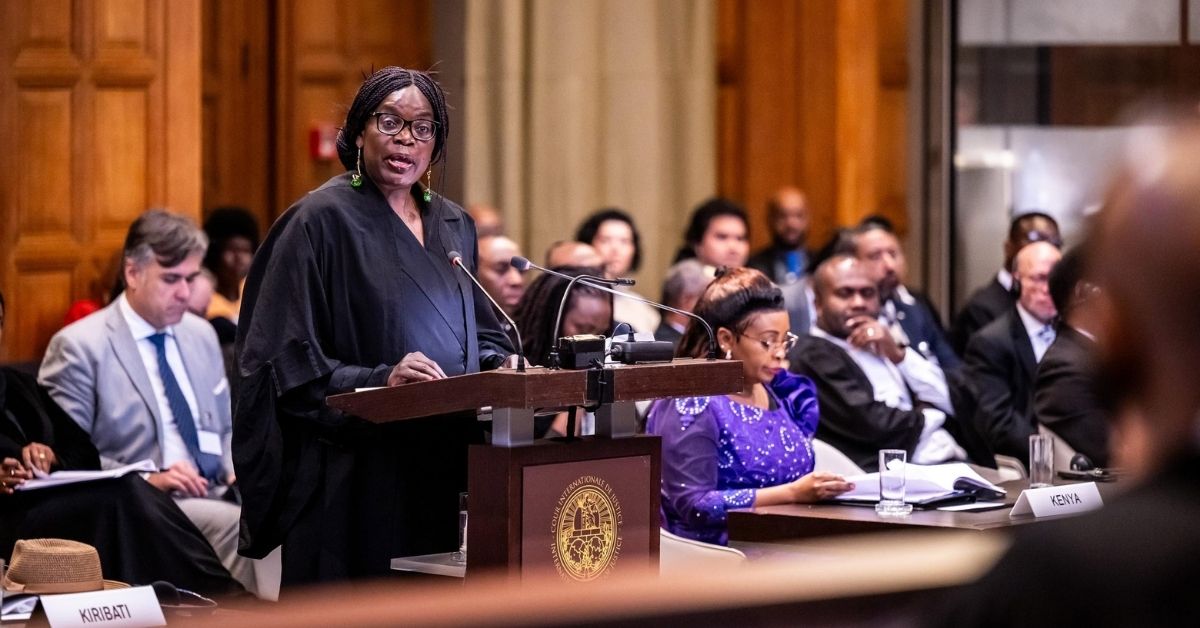
Prof. Phoebe Okowa delivering a presentation at the ICJ in The Hague, May 2025. Photo: ICJ
Kenya’s Prof. Phoebe Okowa has been re-elected as a judge of the International Court of Justice (ICJ) for a full nine-year term (2027–2036), following a grueling deadlock that saw the UN General Assembly and the UN Security Council go through multiple rounds of voting.
The final tallies were emphatic. In the UN General Assembly, Okowa won a staggering 183 votes, while Peru’s jurist received just two. In the UN Security Council, Okowa secured 13 votes, while the Peruvian candidate received zero.
The numbers represent a landslide, cementing Okowa’s mandate for a full term and vindicating Nairobi’s relentless lobbying campaign.
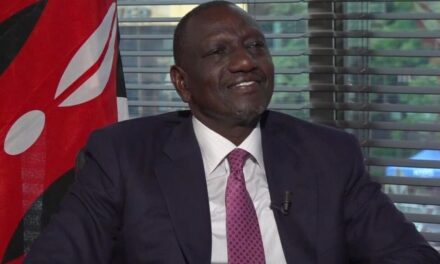
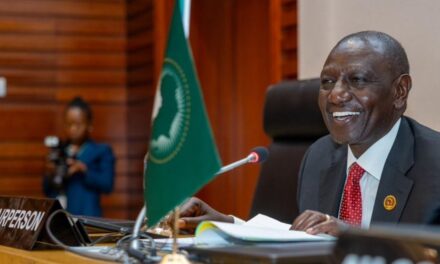
Okowa, who made history in 2025 as the first Kenyan and only the eighth woman to serve on the ICJ bench, will now cement her legacy at The Hague for the next decade. It is a massive diplomatic victory for Nairobi, following an intense campaign led by President William Ruto and the Foreign Ministry.
The Diplomatic Bloodbath
The final result followed a tense standoff that threatened to derail the election. The deadlock was broken by a series of dramatic withdrawals, most notably from Sierra Leone, whose candidate, Prof. Charles Jalloh, had been locked in a fierce rematch with Okowa.
Sierra Leone’s Ambassador to the UN announced the withdrawal in a visibly emotional address, formally ending the contest.
“I take the floor on behalf of the Republic of Sierra Leone to announce that my government has decided to withdraw the candidature of Prof. Charles Jalloh for the elections of the ICJ. And to give its full support to Judge Phoebe Okowa of the Republic of Kenya,” the envoy said.
“If Africa’s vote stay divided, the continent risk losing even the one seat now open to it and falling further below its already inadequate share. Sierra Leone will not let that happen.”
The ambassador emphasized that the decision was made in the interest of the continent.
“Saving Africa’s seat matters more than any one national candidate. Our decision puts the continent first. Judge Okowa needs no introduction to this assembly. She was the first African woman elected to the International Law Commission.”
“Since this assembly and the security council elected her last year, she has served the court with distinction. She brings deep scholarship, practical experience before the court and a commitment to integrity of international law,” he said. “Supporting her is not a favour to Africa. It is the right thing to do for the court, for fairness and for the authority of international law.”
Ecuador and South Korea also withdrew their candidacies, joining Sierra Leone in stepping aside to break the stalemate and allow the World Court to fill its vacant seat.
Despite the earlier deadlock and the AU’s failure to endorse a single candidate, the final result showed that the international community overwhelmingly backed the Kenyan incumbent.
Your support empowers us to deliver quality global journalism. Whether big or small, every contribution is valuable to our mission and readers.