






















UN’s Top Job Race Heats Up as Sall Takes the Stage in New York
By Mwangi Maina
| April 22, 2026
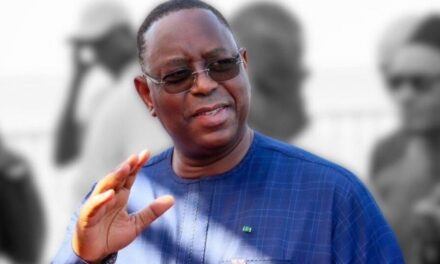
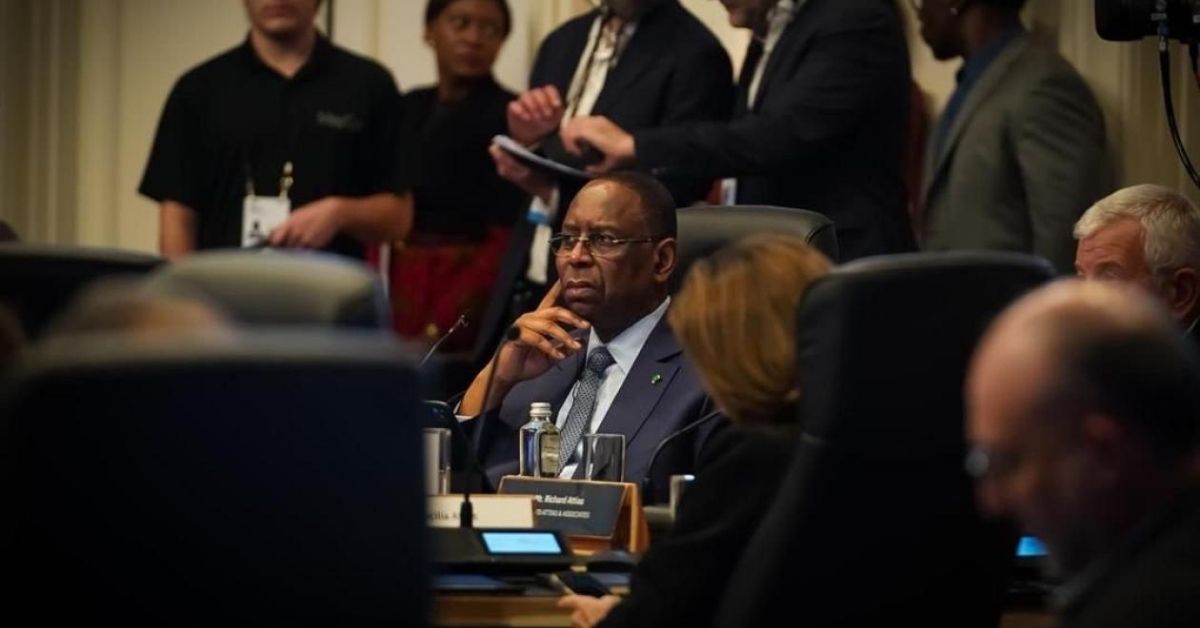
Former Senegalese President Macky Sall attending a summit on public-private partnerships (PPPs) in New York on September 21, 2025. Photo: Handout
Former Senegalese President Macky Sall is set to appear in New York on Wednesday for auditions to become the next United Nations Secretary-General, joining three other contenders seeking to succeed António Guterres.
Sall, nominated by Burundi, enters the race without the backing of African Union member states, including his own, after the bloc declined to endorse his candidacy.
He is among two candidates scheduled to face an interactive session with member states and civil society, a key test in the multi-stage selection process.
The auditions began a day earlier with Michelle Bachelet, a two-time Chilean leader and former UN human rights chief, who set the tone with a polished and personable performance.
Opening in all six official UN languages, she leaned into diplomatic symbolism before fielding questions on peace and security, climate change, development and the future of multilateralism.
Bachelet framed her candidacy around inclusion and reform, positioning herself as a champion of women’s rights.
The UN has never had a woman at its helm, and she suggested the moment may finally have arrived.
Backed by Mexico and Brazil, though no longer by her home country, Chile, following a change of government—she pledged to pursue institutional reform as a “non-negotiable priority”.
She also emphasised preventive diplomacy, arguing that the UN must improve its ability to detect early warning signs of crises.
Recalling her tenure as human rights chief, she described moments where instincts about looming instability proved prescient.
The Secretary-General’s “good offices,” she said, should be actively deployed to mediate and build what she called “political viability” for reforms, including more representative structures for regions like Africa.
African delegations pressed Michelle Bachelet on security, aid and equity.
Mali, speaking for the African Group, focused on conflict and assistance; Mauritania raised climate enforcement in the Sahel, counter-terrorism and Islamophobia, while Malawi, on behalf of least-developed countries, urged that they remain central to financing—rather than be pushed to the margins.
Next came Rafael Grossi, head of the International Atomic Energy Agency, who leaned on his technocratic record.
On the Middle East, he stressed the complexity of the crisis, noting that while his expertise lies in nuclear issues, broader UN engagement would be essential.
On water security—a concern raised by Tajikistan—he pointed to scientific tools such as isotopic hydrology to manage shrinking resources and protect glaciers.
The contest, described by General Assembly President Annalena Baerbock as the “world’s toughest job,” will unfold over several rounds, including closed-door Security Council deliberations where the five permanent members hold decisive veto power.
Your support empowers us to deliver quality global journalism. Whether big or small, every contribution is valuable to our mission and readers.