

























AU Reshuffles Peace and Security Council as Conflicts Deepen Across Africa
| February 12, 2026
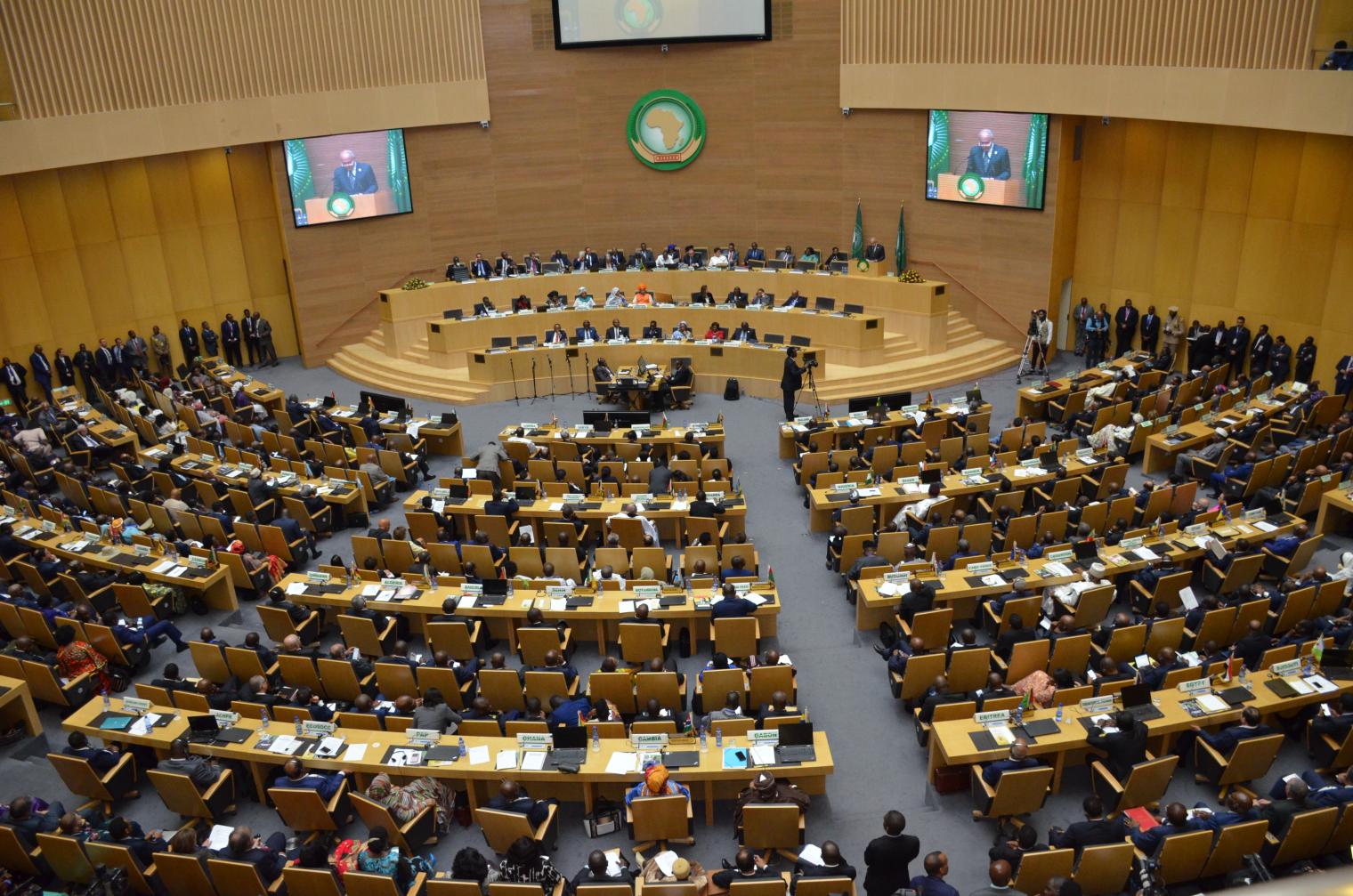
A file photo shows a plenary session of the African Union summit underway in Addis Ababa, Ethiopia, with heads of state and senior delegates gathered inside the AU headquarters chamber. (Photo: Handout)
African Union foreign ministers have reconstituted the Peace and Security Council (PSC) for the 2026–2028 term, ushering in a mix of returning incumbents and new entrants at a time when conflicts across the continent are deepening rather than receding.
The new line-up sees Morocco clinch the North African seat after defeating Libya, while the Democratic Republic of Congo and Gabon represent Central Africa.
Somalia and Uganda take the two Eastern Africa slots, Lesotho and South Africa fill the Southern region, and Benin, Côte d’Ivoire and Sierra Leone occupy West Africa’s three seats.
The reshuffle amounts to a recalibration of the continent’s principal security bench just as instability from the Sahel to the Horn continues to test the Union’s crisis-management capacity.
Two of the incoming members assume office while grappling with acute domestic security pressures.
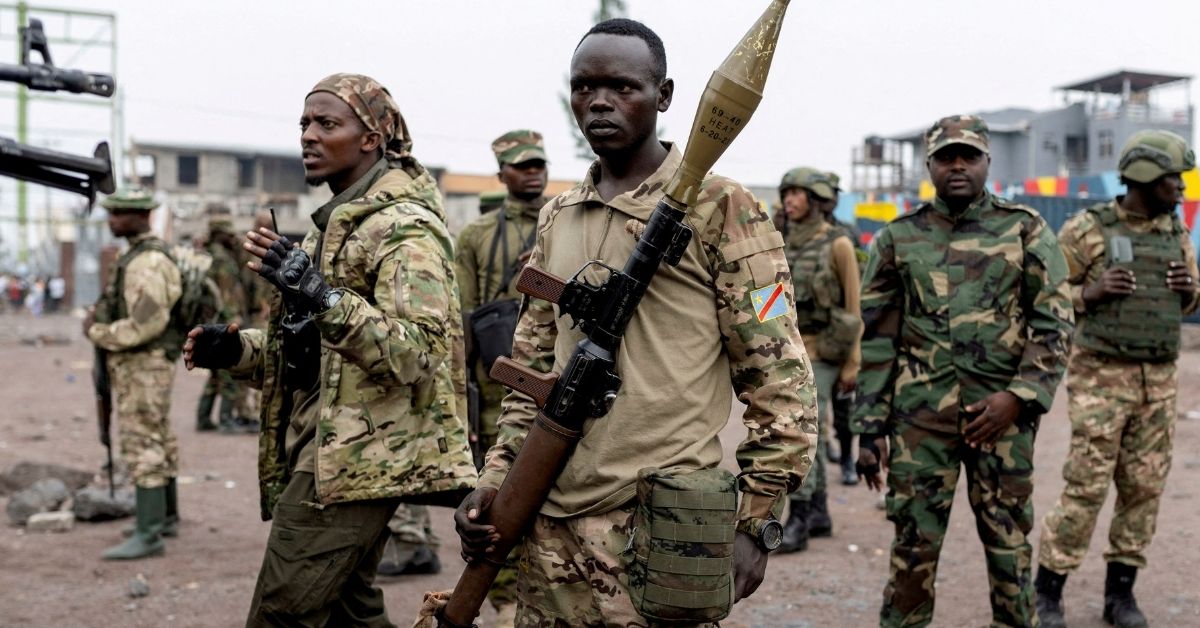
The DRC, which successfully defended its seat, remains locked in an intensifying insurgency in its mineral-rich eastern provinces, where the M23 rebellion and regional rivalries have complicated peace efforts.
Somalia, elected for the first time to the PSC, continues to battle the Al-Shabaab insurgency even as it simultaneously represents Africa on the United Nations Security Council alongside Sierra Leone.
Under AU protocol, PSC membership is regionally distributed: three seats for West Africa; two each for Central, Eastern and Southern Africa; and one for North Africa.
The latest elections replace ten members whose mandates expire at the end of March, concluding the two-year terms endorsed during the AU’s 37th Ordinary Assembly in 2024.
The PSC functions as the Union’s standing organ for conflict prevention, management and resolution, tasked with authorising peace missions, mediating disputes and coordinating collective security responses.
Yet its effectiveness has often drawn criticism, particularly when crises such as Sudan’s protracted war or recurrent Sahel coups outpace continental diplomacy.
The new composition therefore inherits both the authority and the burden of expectation: a council designed as Africa’s security compass now navigating an era of multiplying storms.
Your support empowers us to deliver quality global journalism. Whether big or small, every contribution is valuable to our mission and readers.





