














Indonesia Eyes Deeper Blue Economy Ties with Kenya
By Mwangi Maina
| September 27, 2025
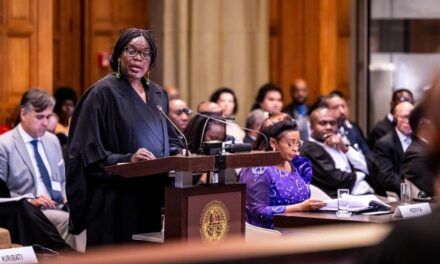
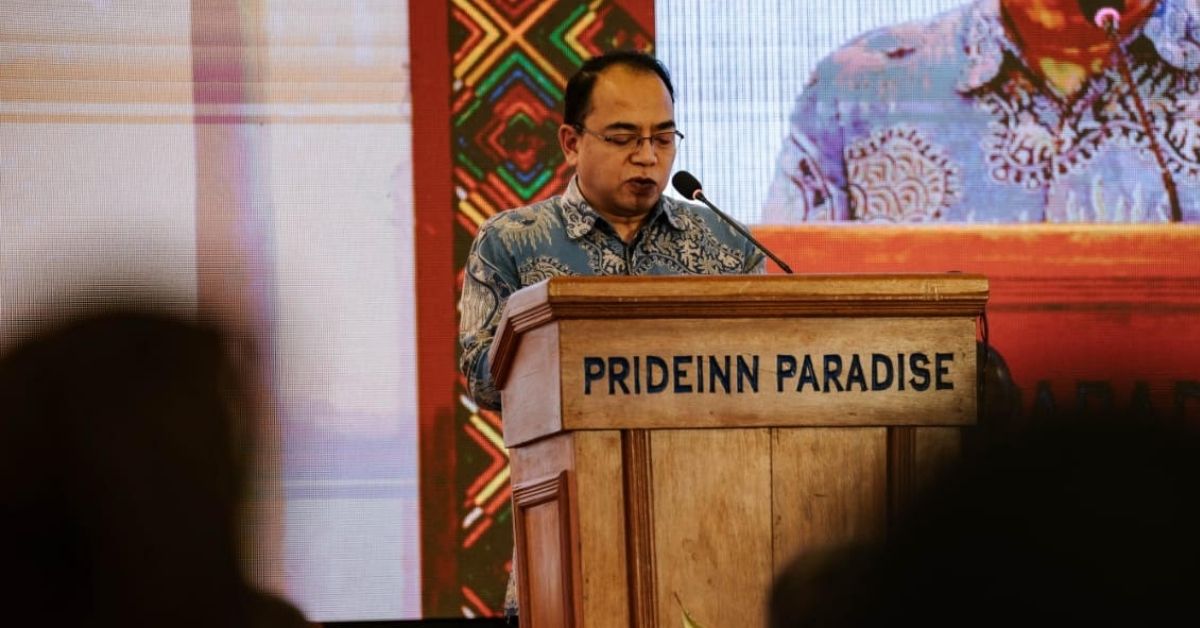
Indonesian Embassy Minister Counsellor Wisnu Lombardwinanto, speaking at the Blue Economy Summit in Mombasa, emphasized that Asia and Africa share “vast opportunities for collaboration” in unlocking marine and coastal potential. Photo: Handout
Indonesia has pledged to work closely with Kenya in developing integrated coastal villages, strengthening fisheries value chains, and promoting renewable ocean energy—part of a broader effort to deepen South–South cooperation under what Jakarta calls the “Bandung Spirit.”
Speaking at the Blue Economy Summit in Mombasa, Minister Counsellor Wisnu Lombardwinanto, representing the Indonesian Embassy in Nairobi, said Asia and Africa share “vast opportunities for collaboration” in unlocking marine potential.
“As an archipelagic nation with over 17,000 islands and one of the longest coastlines in the world, Indonesia regards the ocean as a lifeline,” he said.
“The blue economy remains at the heart of our development agenda.”
Indonesia—home to more than 275 million people and the world’s largest archipelagic state—has emerged as a regional leader in marine governance and sustainability.
Under President Joko Widodo’s “Maritime Fulcrum” doctrine, Jakarta has positioned the oceans as a central pillar of its economic and foreign policy strategy, investing heavily in fisheries, coral rehabilitation, and maritime logistics.
Lombardwinanto said Indonesia’s experience in mangrove restoration, coral reef rehabilitation, and combating illegal fishing offers valuable lessons for Kenya as it expands its blue economy footprint.
He highlighted Jakarta’s pioneering financing models, including a sovereign green sukuk and the exploration of blue bonds, alongside the creation of a Blue Economy Development Index to measure sustainability outcomes.
Since 2022, Indonesia has extended ten technical and capacity-building programs to Kenya across fields such as agriculture, fisheries, trade promotion, and geothermal energy—signaling growing South–South collaboration.
The envoy said Jakarta is ready to expand this cooperation under South–South and Triangular Cooperation frameworks, guided by Kenya’s development priorities.
“The blue economy is not just a promise of untapped wealth, but a responsibility,” Lombardwinanto said.
“If we succeed, the benefits will be seen in stronger communities, healthier ecosystems, and deeper regional solidarity.”
The Blue Economy Summit, running from September 23–26, drew more than 1,200 participants, including Mombasa Governor Abdulswamad Nassir, EU and Slovak ambassadors, Germany’s deputy head of mission, and representatives from startups and research institutions.
Exhibitions have showcased innovations in sustainable aquaculture, marine plastics recycling, and renewable ocean energy.
Indonesia’s overtures reflect its growing diplomatic interest in Africa. With the Jakarta–Nairobi cooperation deepening, analysts say both nations stand to benefit—Kenya gaining from Indonesia’s maritime expertise and financing models, and Indonesia consolidating its influence along the Western Indian Ocean, a strategic maritime gateway connecting Asia to Africa.
Your support empowers us to deliver quality global journalism. Whether big or small, every contribution is valuable to our mission and readers.