



















| August 11, 2025
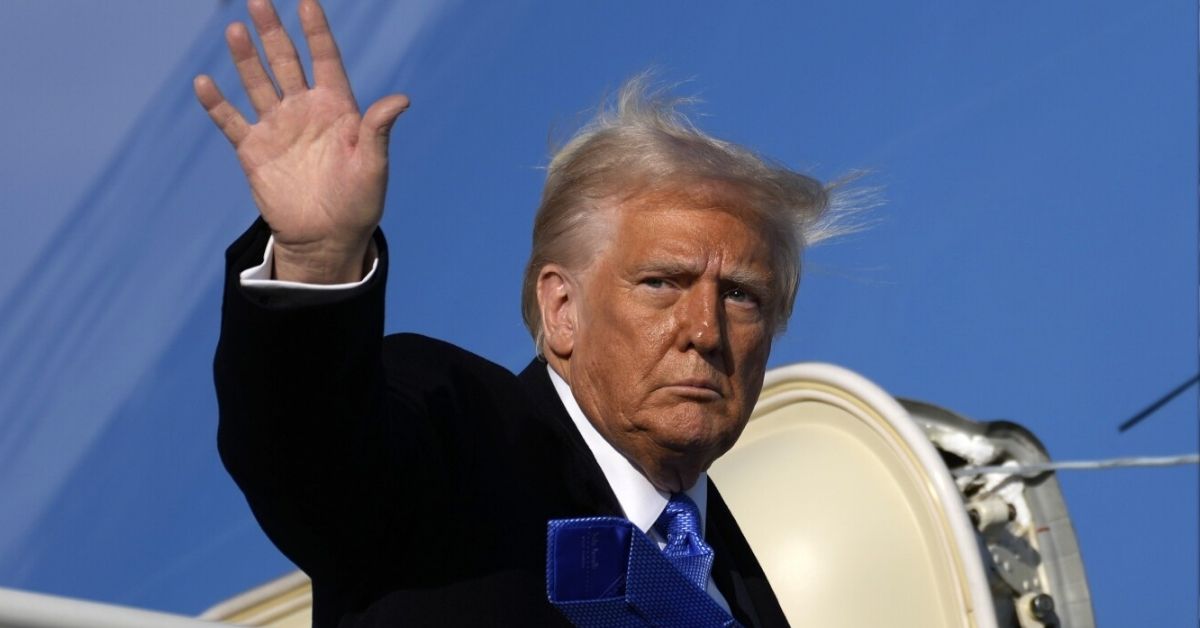
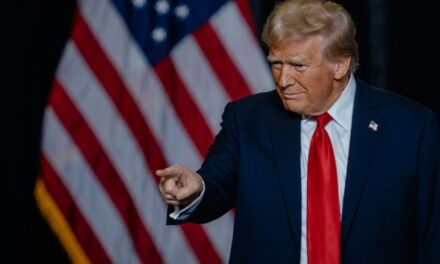
President Donald Trump waves as he boards Air Force One at Joint Base Andrews, Md, Friday, Feb. 7, 2025, en route to his Mar-a-Lago estate in Palm Beach, Fla. Photo: AP
Donald Trump’s sweeping new tariffs have landed, hitting more than 90 countries across every region.
The US president insists the measures will correct “historical trade injustices” against the world’s largest economy. Yet history, economic theory and hard data suggest otherwise: protectionism tends to curb trade, slow growth, raise consumer prices and stir geopolitical unrest.
By making imports dearer, tariffs force countries and companies to reconfigure supply chains. Punitive taxes on America’s trading partners risk choking off key routes for commodities, electronics and textiles.
The IMF reckons they will shave 0.5% off global growth in 2025 and 0.3% in 2026—an $800bn hit to world GDP. In America, pricier Chinese electronics and Indian pharmaceuticals are already squeezing middle-class wallets.
The prospect of a renewed US trade war with major partners threatens to unwind decades of economic integration. The European Union and the BRICS nations—united in their condemnation of the tariffs as “indiscriminate” and “illegal”—are likely to retaliate with tariffs or non-tariff barriers, deepening the conflict.
For Africa, the fallout could be severe. The continent’s reliance on exports, foreign investment and the multilateral trading system leaves it particularly vulnerable.
Punitive tariffs could strangle growth, worsen poverty and derail recovery from debt crises, climate shocks and the pandemic. Unlike big economies such as China, the EU or Canada, African nations lack fiscal buffers to absorb such shocks.
The IMF estimates that a 1% slowdown in China’s GDP could cut sub-Saharan Africa’s growth by 0.5%. Africa sources roughly 40% of its manufactured imports—including machinery, electronics and textiles—from China.
If US tariffs drive up China’s costs, African consumers and businesses will bear the extra expense.
Countries that depend heavily on US markets—accounting for as much as 40% of global consumer demand—face an additional blow in lost export revenues. Kenya is a case in point. With no deal reached after a 90-day pause on Trump’s proposed 10% tariff on Kenyan imports, Nairobi is bracing for heavy losses.
The government estimates the country could forfeit more than KSh13bn in revenue and as many as 600,000 jobs.
At present, Africa is still in the early stages of implementing the African Continental Free Trade Area (AfCFTA). Yet with intra-African trade accounting for just 18% of the continent’s total, regional commerce cannot compensate for major losses in global markets if trade fractures under tariff pressure.
A full-blown trade war could push fragile African economies to the brink. Policymakers must act now to avert a downward spiral. Diversifying exports away from the US while strengthening intra-African trade under the AfCFTA is one step. Deepening ties with more responsive partners—especially within the BRICS grouping—offers another.
At the 2025 Forum on China–Africa Cooperation ministerial meeting in Changsha, China pledged duty-free access for goods from all African countries with diplomatic ties. That commitment provides a ready-made channel for African exporters to push into the Chinese market.
Finally, African governments should close ranks to lobby for renewal of the Africa Growth and Opportunity Act (AGOA), America’s trade programme granting duty-free access to eligible sub-Saharan African exports.
Due to expire in September 2025, an extension could blunt the worst effects of Trump’s tariffs for African economies that depend on the US market.
The Writer is a scholar of international relations with a focus on China-Africa development cooperation. X: @Cavinceworld.
Your support empowers us to deliver quality global journalism. Whether big or small, every contribution is valuable to our mission and readers.