













By Judy Mbugua
| June 23, 2025
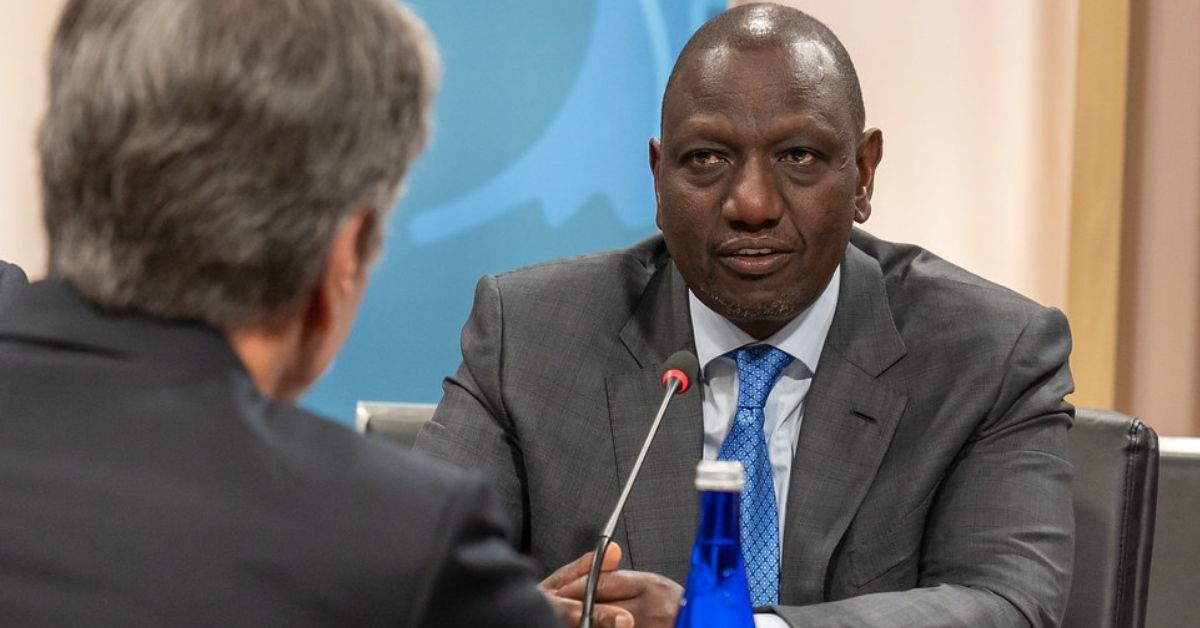
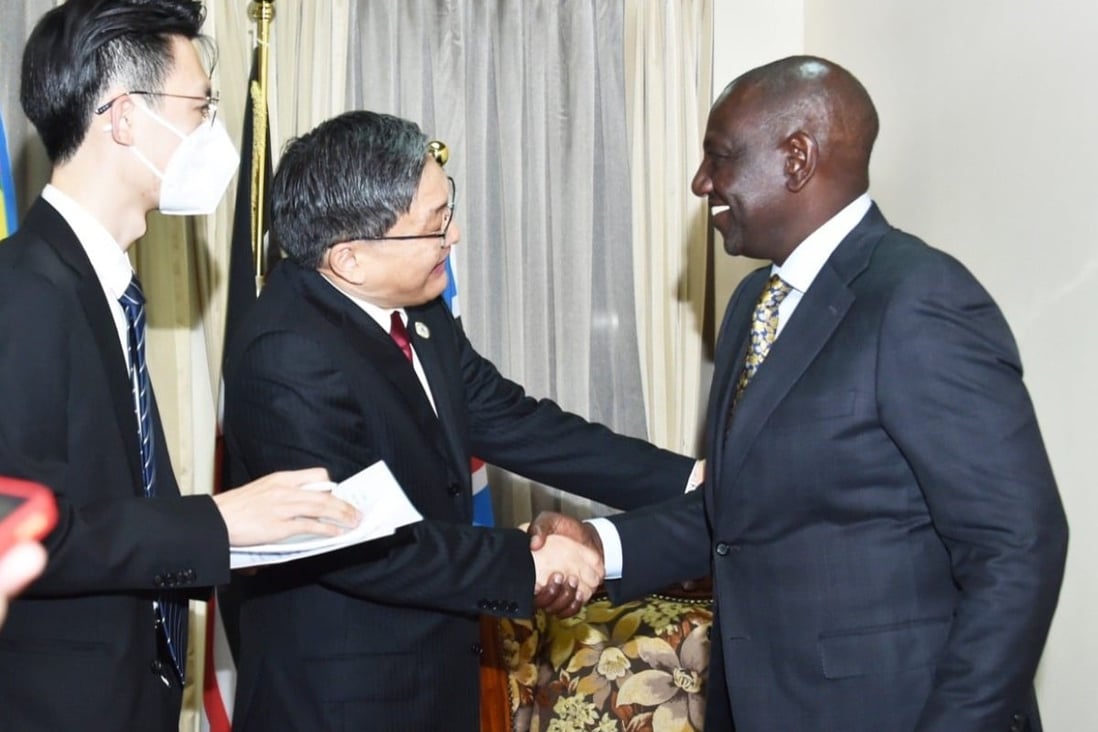
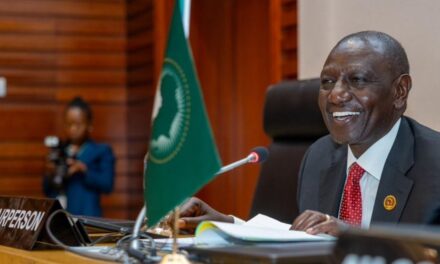
An archival photo of President William Ruto. Photo: Handout
This week as anarchy reigned in the streets of Nairobi it is becoming clear that the growing divide between the government and its citizenry is no longer just a national concern, it is also tarnishing Kenya’s image abroad.
Tanzania’s President, Samia Suluhu recently claimed that we are tearing our own nation down. While we reject this unfair and pessimistic view, it might be a reflection of how the rest of the world is beginning to view us.
A country that is struggling to uphold its own constitution while attempting to project leadership and stability in global affairs.
June 2025 was supposed to be a month for reflection, a moment to mark the anniversary of the Gen Z revolution of 2024, when hundreds of young Kenyans took to the streets demanding their rights. What began as a movement against the proposed Finance Bill quickly morphed into a greater call for good governance and respect for the rule of law.
However, one year later, Kenya finds itself in the same position, if not worse.
This time, the youth took to the streets demanding justice for Albert Ojwang a Kenyan teacher, who died in police custody, he had been arrested over his social media posts.
Once again, the government responded with a crackdown against peaceful protestors. With complete disregard for the constitution the police met the protestors with indiscriminate violence. One police officer was even caught on camera shooting an unarmed civilian at close range.
Across the country, multiple injuries were reported although the exact number remains unclear, as human rights groups continue to work to account for those affected.
This is not just another case of police brutality it also points to a government that is increasingly intolerant to criticism and unwilling to listen to the youth.
These internal failures are not just a domestic crisis; they also reflect on the country’s international image and credibility in foreign policy.
Kenya’s foreign policy is in principle guided by a set of international and national principles and should articulate national values, beliefs and aspirations.
The 2010 constitution not only defined a turning point for Kenya’s domestic governance but also how the nation engages with the world. It was a commitment to a transparent and democratic political system.
Full implementation of the constitution guarantees national cohesion, security and economic development all essential for survival and respect among the community of states. Without domestic credibility projecting power and influence abroad is almost impossible.
Kenya cannot speak the language of international peace and respect for international norms and institutions while it fails to live up to these same values at home. It is hypocritical and does not reflect well on Kenya’s international Image.
As Professor Hans Morgenthau famously argued, a country’s ability to project power and influence does not lie solely on its military capabilities or diplomatic skills but also on its ability to command legitimacy at home and abroad.
This rests on the attractiveness of its political philosophy, institutions and policies what professor Nye termed “soft power.”
Poor governance and weak institutions that fail to address corruption, social injustice and police brutality compromise a nation’s ability to effectively articulate its foreign policy.
Just this month the European Commission classified Kenya as a high-risk country for money laundering and terrorism financing.
This did not happen in isolation it is a culmination of persistent failure to address corruption and strengthen financial oversight.
This designation raises concerns among investors. It is also an international embarrassment given that Kenya and the EU are strategic partners in counterterrorism.
In the region, Kenya has struggled to maintain its image as a neutral mediator. Mediation and peacebuilding have long been a source of national pride and soft power, but today that position is fragile.
Despite efforts to offer mediation and a neutral ground for peace talks in ongoing war in Sudan, Kenya’s offer has been rejected on both counts.
This not only signals lack of diplomatic trust but also raises concerns of domestic and international legitimacy. Kenya can’t advocate for democratic principles, dialogue and reconciliation in Sudan or respect for the sanctity of human life in the region while showing little regard for those same values at home.
As the governments seeks to extend an olive branch to warring factions in the region it must also extend an olive branch to its youth. Listen to them, they are voicing legitimate concerns, they are looking out for their future one that the government itself promised to protect.
Every time there is chaos in the streets of Nairobi, Kenyans and the country’s international partners are left shocked, as the UN Resident Coordinator in Kenya, Stephen Jackson, recently put it.
It is time to end this cycle. Time to choose dialogue and accountability. Only then can Kenya truly lead, at home and abroad.
Your support empowers us to deliver quality global journalism. Whether big or small, every contribution is valuable to our mission and readers.