



Ramaphosa to Washington: “South Africa Will Not Be Bullied”
| February 6, 2025
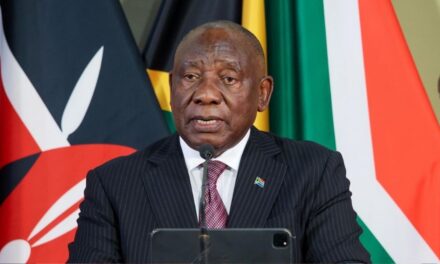
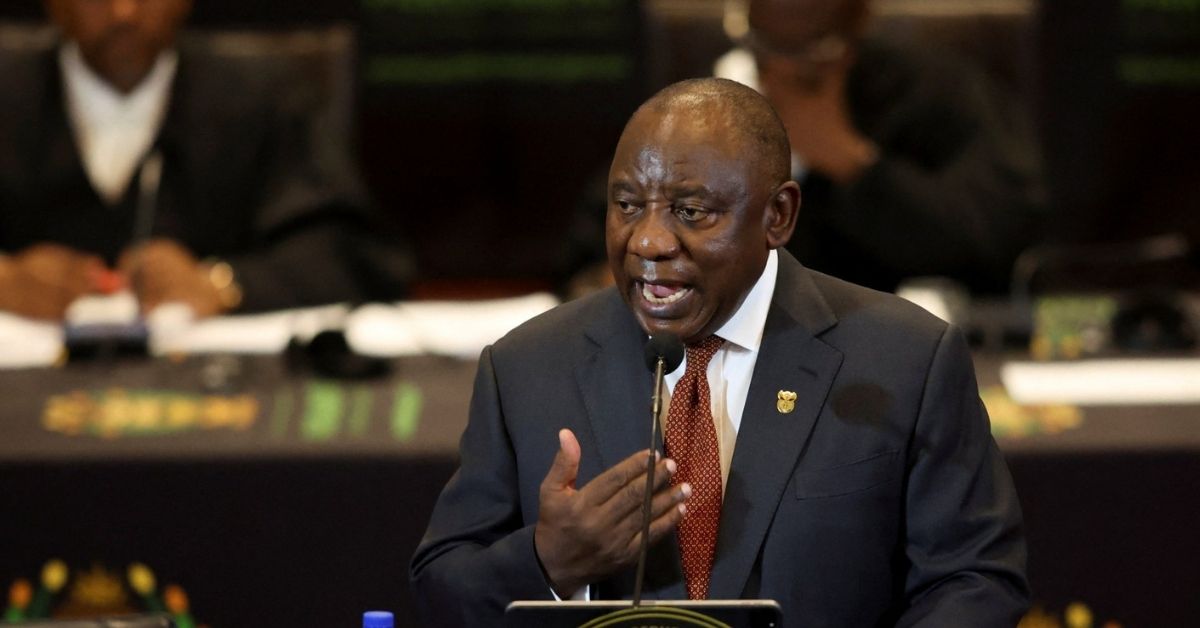
Ramaphosa’s remarks come after a week of escalating tensions with the Trump administration, which has taken issue with South Africa’s land reform policies, geopolitical alliances, and legal action against Israel at the ICJ. FILE IMAGE
South African President Cyril Ramaphosa has fired back at Washington’s growing criticism, insisting that Pretoria will not be coerced into altering its policies to align with American interests.
In a strongly worded national address on Thursday, Ramaphosa defended his government’s foreign policy decisions, rejecting attempts to pressure South Africa into submission.
“We won’t be deterred, we are resilient, and we will not be bullied. We shall stand together in defence of our national interest and our sovereignty,” he declared, making it clear that Pretoria will stand its ground.
His remarks come after a week of escalating tensions with the Trump administration, which has taken issue with South Africa’s land reform policies, geopolitical alliances, and legal action against Israel at the ICJ.
Earlier on Thursday, U.S. Secretary of State Marco Rubio announced he would boycott the G20 foreign ministers’ meeting in Johannesburg, citing South Africa’s foreign policy stance as a key reason.
This public snub highlights Washington’s growing frustration with Pretoria, which has maintained strong ties with Russia, China, and Iran, despite U.S. concerns.
The tensions between the two nations have been building for months, but Trump’s return to the White House has escalated them to new levels.
The U.S. has long been uneasy about South Africa’s non-aligned approach, but Pretoria’s recent decision to take Israel to the ICJ over alleged genocide in Gaza has further strained relations.
Washington sees the move as a direct challenge to its foreign policy, and Rubio’s decision to boycott the G20 is being widely interpreted as a warning shot to South Africa.
South Africa’s Foreign Minister Ronald Lamola also weighed in on the dispute, pushing back against the narrative that Pretoria is pursuing a radical or anti-Western agenda.
In a carefully worded statement on Thursday, Lamola invoked Ubuntu, South Africa’s philosophy of collective problem-solving, to justify Pretoria’s stance on global affairs.
“We are a sovereign and democratic country committed to human dignity, equality, and rights,” he said, emphasizing that South Africa’s G20 presidency is not just about climate change but about advocating for a more equitable global system—one that does not favor Western nations at the expense of the Global South.
Lamola also dismissed accusations that South Africa’s land reform policies amount to confiscation of private property, comparing them instead to Eminent Domain laws used in many Western nations, including the U.S.
His remarks were a direct response to Rubio, who had accused South Africa of expropriating land and implementing “radical DEI policies”.
With the G20 summit in South Africa set for later this year, all eyes will be on how Washington and Pretoria navigate their widening rift.
The Biden administration had sought to maintain a stable relationship, but with Trump back in power, U.S. policy toward South Africa is likely to become more confrontational.
Ramaphosa’s speech, however, makes one thing clear: Pretoria will not be backing down anytime soon.
If anything, South Africa appears more determined than ever to chart its own course on the global stage, even at the risk of alienating Washington.
Your support empowers us to deliver quality global journalism. Whether big or small, every contribution is valuable to our mission and readers.