| February 4, 2025

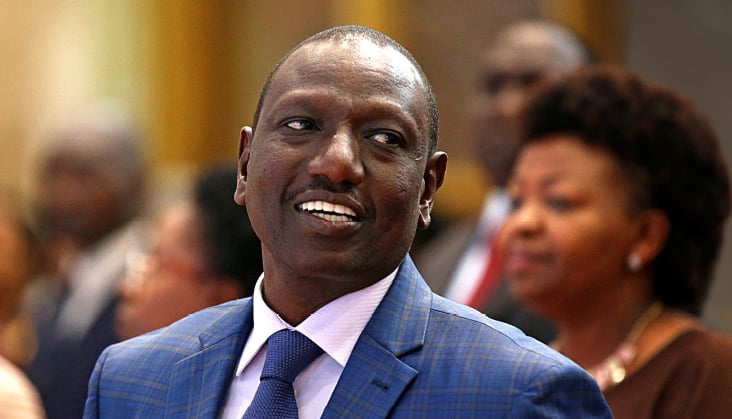
Diplomats privately acknowledge that Kagame has mastered the art of staying ahead of the curve. Despite repeated allegations of backing M23, no punitive measures have been imposed on his government. Photo: Handout
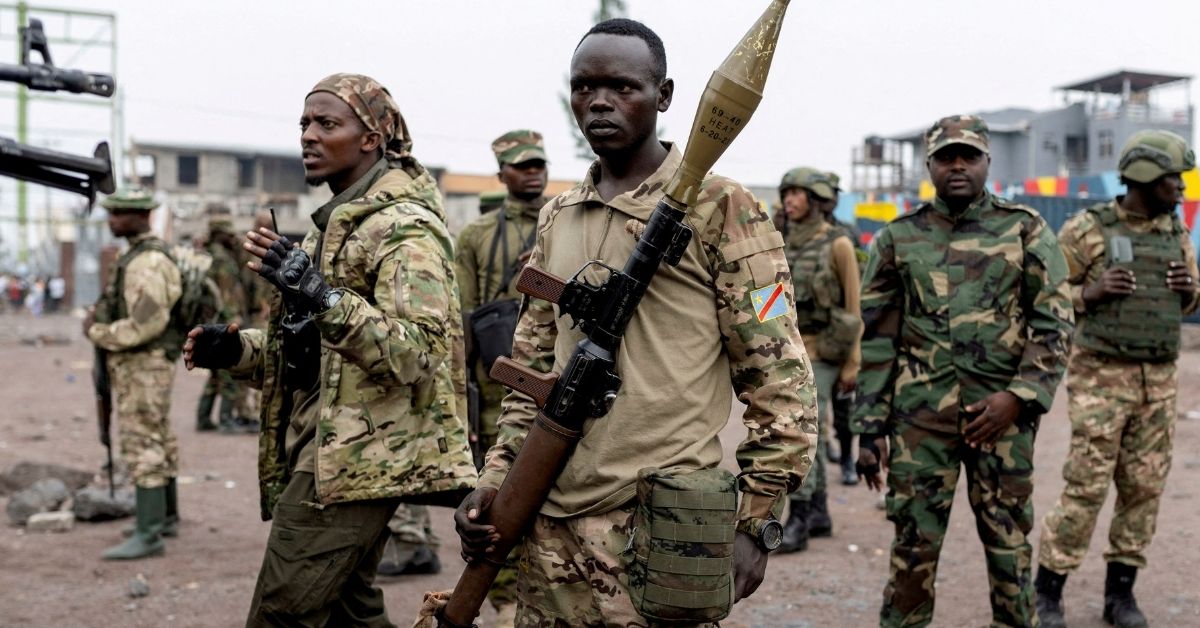
When the M23 rebels, backed by Kigali, seized parts of Goma, the international outcry was swift but predictably hollow.
The diplomatic protestations have so far been just that—verbal condemnations with little substantive action.
At an emergency UN Security Council meeting on January 26, several Western nations denounced Rwanda’s role in the fighting, but the Council stopped short of explicitly naming Kigali as the aggressor. Sanctions? Nowhere in sight.
Africa’s response has been just as muted.
The usual rhetoric from the African Union—calls for “de-escalation” and for “all parties to engage”—has done little to address the reality on the ground. Despite being the continent’s premier multilateral institution, the AU has largely avoided singling out those fuelling the conflict.
Only a handful of African nations have been more direct. South Africa publicly called out Rwanda after its troops suffered 16 fatalities in North Kivu under SAMIDRC.
President Cyril Ramaphosa took it a step further, referring to the Rwandan Defence Force (RDF) as a “militia.” That remark provoked an explosive response from President Paul Kagame, resulting in an unprecedented diplomatic spat between the two leaders.
Meanwhile, regional blocs convened but made little progress. The East African Community (EAC), of which both Rwanda and the DRC are members, held a crisis meeting, urging Kinshasa to negotiate with M23—a position President Félix Tshisekedi has consistently rejected, branding M23 a terrorist group.
The Southern African Development Community (SADC) echoed similar sentiments but went a step further, reaffirming its commitment to backing the DRC “in any way necessary” and proposing a joint EAC-SADC summit to tackle the crisis.
Even Algeria, typically less vocal in Central African affairs, has stepped in. Foreign Minister Ahmed Attaf has engaged counterparts in Kenya, Uganda, Rwanda, South Africa, Angola, and the DRC, calling for de-escalation.
But the diplomatic discourse in Brussels has taken on a different tone—one that lays bare Africa’s hesitance to confront the conflict head-on.
The EU’s Harder Line
On January 30, at an extraordinary meeting of the European Parliament’s Delegation to the Africa-EU Parliamentary Assembly, MEPs pressed for immediate action to protect civilians.
Hilde Vautmans, the delegation’s chair, didn’t mince words:
“Following the seizure of Goma by M23 with Rwanda’s active support, the situation in the DRC and the Great Lakes is at a breaking point. We must act now. Taking into account the very difficult circumstances, the United Nations needs our full backing.”
She went further, calling for “Targeted sanctions against Rwanda. Freezing EU development aid to Kigali, and immediate suspension of the EU-Rwanda MoU on Sustainable Raw Materials Value Chains.”
While the EU, like the US, has consistently condemned Rwanda’s role in eastern Congo, translating words into action has proven difficult. Why?
The answer lies in Rwanda’s strategic maneuvering in European diplomacy.
Rwanda’s Tightrope Walk in Brussels
Diplomats privately acknowledge that Kagame has mastered the art of staying ahead of the curve. Despite repeated allegations of backing M23, no punitive measures have been imposed on his government.
The EU’s biggest obstacle? Unanimity. Any punitive action requires all 27 member states to agree—a political minefield.
While some EU capitals favor sanctions, others maintain warm ties with Kigali.
Take Latvia, for example. Kagame’s high-profile visit to Riga late last year suggests that, should sanctions be proposed, Latvia could block them.
Another wildcard? The Nordic states, rumored to be among Rwanda’s strongest backers.
Estonia, particular, has cultivated close ties with Kigali on digital diplomacy, even training Rwandan diplomats.
This balancing act extends beyond Europe. If the EU were to cut aid, Kagame could pivot toward China—already deeply embedded in Congo’s mining sector—or to the Gulf, particularly Qatar, where Kigali has developed robust diplomatic and economic ties.
Doha, at one point, even offered to mediate between Rwanda and the DRC, but Kinshasa flatly rejected the initiative.
The Price of Inaction
With sanctions unlikely, some EU diplomats suggest hitting Rwanda where it hurts: tourism.
According to one senior official:
“If we’re serious, forget aid. The real pressure point is tourism. If we issue travel advisories, Kagame’s government will feel it immediately.”
Western visitors flock to Rwanda’s prized gorilla trekking industry, a major revenue stream. Disrupting that could apply far more pressure than another round of hollow diplomatic statements.
But Brussels isn’t just frustrated with Kigali. Kinshasa itself isn’t helping its own cause. The EU recognizes Rwanda’s security concerns, particularly regarding remnants of the FDLR, the Hutu militia linked to the 1994 genocide.
Some policymakers argue that the remaining FDLR fighters are few and aging, raising questions about how much of a legitimate threat they pose.
Meanwhile, Kinshasa’s own domestic policies are drawing concern.
A diplomat confided: “While we work behind the scenes to safeguard their sovereignty, they sabotage themselves, leaving us with little to defend.”
One example? The Tshisekedi administration’s decision to carry out mass executions—a move that has unsettled even those sympathetic to the DRC’s cause.
All Eyes on the Next Summit
The proposed joint EAC-SADC summit is now seen as the last diplomatic hope to ease tensions, but if past meetings are anything to go by, expectations should be low.
History suggests it will produce more statements, more calls for restraint—but no real breakthrough.
For now, it’s all talk, no truce.
Your support empowers us to deliver quality global journalism. Whether big or small, every contribution is valuable to our mission and readers.