| January 17, 2025
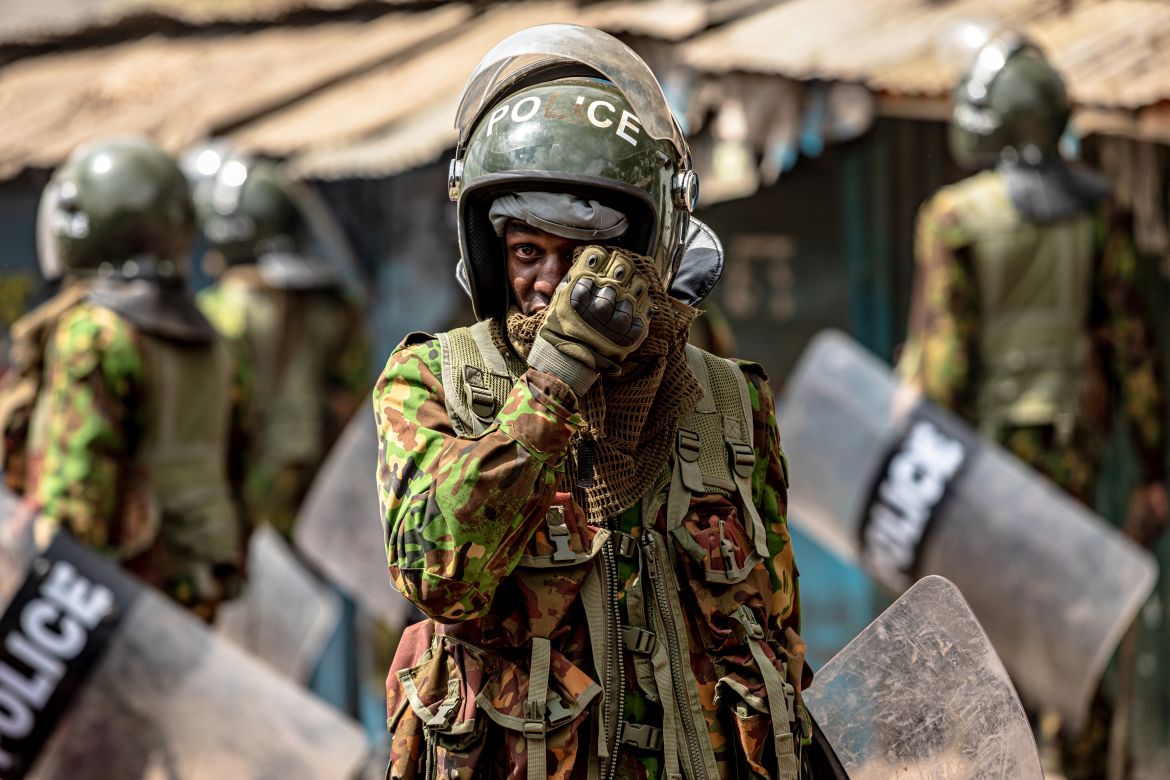
The Kenyan government has accused social media influencers of attempting to undermine its credibility and discourage high-level visits. Photo: Rockwell Automation
The Government of Kenya on Thursday acknowledged a significant setback in its diplomatic efforts following a wave of guerilla online civil disobedience directed at foreign capitals.
The regime in Nairobi was caught off guard by this new form of cyber warfare, an unexpected and unprecedented attack at a time when the streets had become increasingly violent and repressive.
In an unsigned “General Notice” aimed at controlling the damage, the Ministry of Foreign and Diaspora Affairs claimed the Ruto administration was facing a coordinated digital assault involving AI-generated deepfakes and misinformation campaigns.
The government accused social media influencers of attempting to undermine its credibility and discourage high-level visits.
“The Ministry of Foreign and Diaspora Affairs expresses concern over recent cyber activities spreading misinformation and disinformation aimed at undermining the credibility of the Government,” the statement read.
The Ministry further explained that these digital campaigns had evolved into broader efforts to tarnish Kenya’s diplomatic standing, including attempts to derail the country’s candidacy for international and regional positions.
“These activities, initially sparked by genuine protests by ‘Gen Zs,’ have evolved into organized cyber-attacks by a few social media influencers,” the statement continued. “These efforts seek to delegitimize government initiatives, discourage high-level visits, de-campaign Kenya’s candidates for international and regional positions, while sending intimidatory messages to members of the international community.”
Among the campaigns cited were mass email petitions directed at the Dutch government, urging the cancellation of a planned state visit by King Willem-Alexander and Queen Máxima of the Netherlands.
The Dutch Ministry of Foreign Affairs confirmed receiving over 300 such emails from Kenyan citizens.
The royal visit, scheduled for March 18 to March 20, 2025, was regarded as a diplomatic milestone following an invitation from President William Ruto.
The Ruto administration has also faced backlash over Raila Odinga’s candidacy for the African Union Commission (AUC) top seat.
Many Kenyans, particularly from the younger generation, have expressed anger over Raila’s bid, accusing the 80-year-old veteran politician of hijacking the protests for his own interests.
Critics claim that after the protests were quelled through violence, Raila met with President Ruto and struck a deal to have some of his political allies join the cabinet.
This political maneuver has further enraged Kenyans, who have organized email campaigns to African governments urging them not to vote for Raila during the AUC elections in February.
Some communications experts argue that the government’s response, through a general notice, is insufficient to address the damage caused by the cyber campaigns.
“You’ve got to give it to Gen Z and their mutants for changing the theater of war from the streets to the online space. The Government of Kenya is nude in the scheme of things!” said a communicator who has previously worked with a government entity.
Four months ago, after failing to counter the cyber warfare, the Ruto administration hired bloggers to address negative publicity that had fueled the Generation Z protests in June 2024.
Despite the government’s efforts, the cyber campaign continues to gain momentum.
President Ruto has publicly criticized his communications team for failing to manage the growing online backlash.
Even after dissolving his cabinet following intense and bloody protests last year, Ruto has retained the same communications infrastructure he inherited when he came to power.
This latest wave of cyber attacks, however, has left the government in shock.
In response to the ongoing situation, Foreign Affairs Principal Secretary Korir Sing’oei told Kenyan Foreign Policy this week that efforts to undermine Kenya’s international reputation have been ongoing since July 2024.
However, he emphasized that the government would continue working to enhance the country’s image as a peaceful, democratic, and rules-based state.
“We shall continue working to enhance the country’s image and standing as a peaceful, democratic, and rules-based State,” Sing’oei assured.
Your support empowers us to deliver quality global journalism. Whether big or small, every contribution is valuable to our mission and readers.