
























By Mwangi Maina
| January 16, 2025

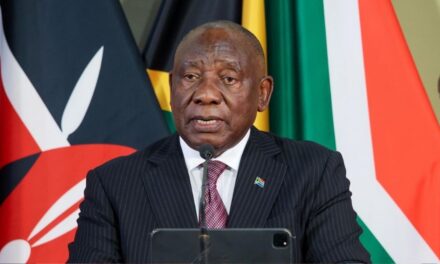
The Government of Kenya has acknowledged facing diplomatic setbacks due to an unprecedented wave of asymmetrical online civil disobedience directed at foreign capitals. Kenyans have voiced their opposition to the Ruto administration, citing human rights violations by the government. Photo: Handout
Kenya has claimed it is facing a coordinated digital attack involving AI-generated deepfakes and misinformation campaigns, accusing social media influencers of attempting to undermine the government’s credibility and discourage high-level visits.
In a statement released Thursday, the Ministry of Foreign and Diaspora Affairs alleged that recent online activities targeting the government had shifted from genuine public protests to organized disinformation efforts.
“The Ministry of Foreign and Diaspora Affairs expresses concern over recent cyber activities spreading misinformation and disinformation aimed at undermining the credibility of the Government,” the statement read.
The Ministry further claimed these digital campaigns have evolved into broader efforts to damage Kenya’s diplomatic standing, including attempts to derail the country’s candidacy for international and regional positions.
“These activities, initially sparked by genuine protests by ‘Gen Zs,’ have evolved into organised cyber-attacks by a few social media influencers and seek to delegitimize government initiatives, discourage high-level visits, de-campaign Kenya’s candidates for international and regional positions, while sending intimidatory messages to members of the international community,” the statement continued.
Among the campaigns cited were mass email petitions, including those directed at the Dutch government urging the cancellation of a planned state visit by His Majesty King Willem-Alexander and Her Majesty Queen Máxima.
The Dutch Ministry of Foreign Affairs has confirmed receiving over 300 such emails from Kenyan citizens.
The royal visit, scheduled for March 18 to March 20, 2025, had been described as a diplomatic milestone following an invitation from President William Ruto.
However, online critics have opposed the visit, citing Kenya’s alleged human rights violations, including enforced disappearances of government critics and opposition figures from neighboring countries.
To counter what it describes as a digital disinformation threat, the Ministry announced plans to introduce a Technology Responsibility Charter aimed at promoting accountability and ethical practices in the digital space.
Critics, however, argue the government’s statement attempts to downplay citizen-driven activism and legitimate concerns, while others view it as a necessary step to safeguard Kenya’s diplomatic reputation.
Your support empowers us to deliver quality global journalism. Whether big or small, every contribution is valuable to our mission and readers.