

























UN-Sanctioned Arms Firms Fuel Africa’s Deadliest Wars
| December 10, 2024
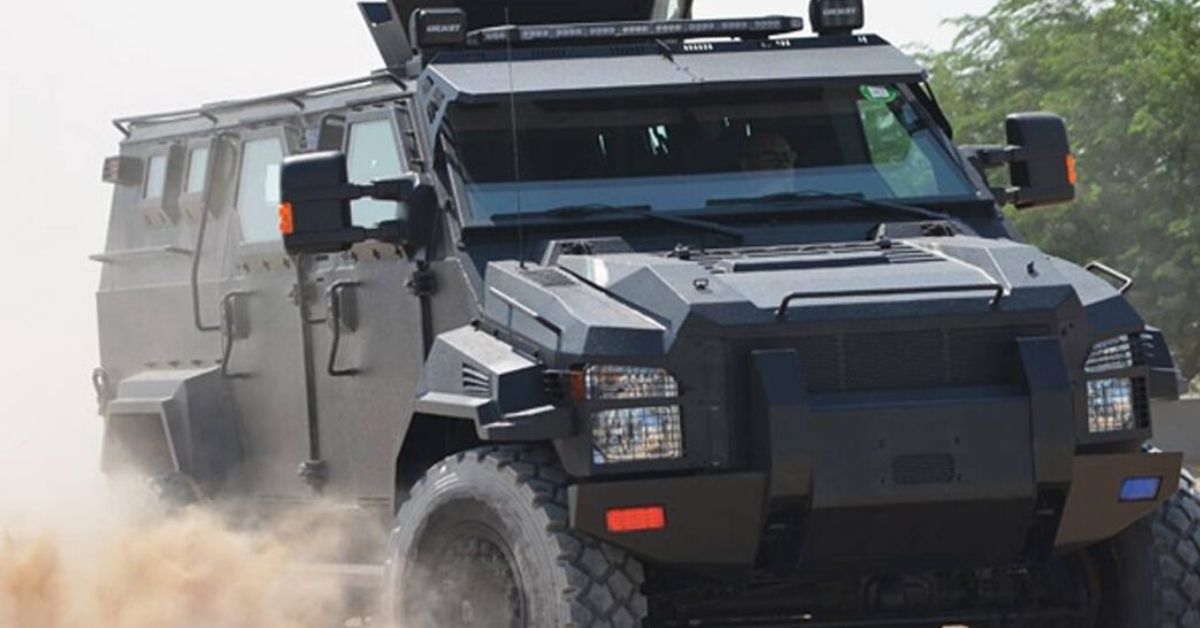
Streit Group continued shipping armoured personnel carriers amid UN warnings that doing so violated existing arms embargo. Photo: Handout
New classified documents from the United Nations Security Council reveal the role of UN-sanctioned arms companies in fuelling conflicts across Africa.
The focus is on STREIT GROUP FZE and STREIT MIDDLE EAST FZCO, private armoured vehicle manufacturers implicated in multiple violations of international arms embargoes.
Both companies, operating under the leadership of Guerman Goutorov, are under sanctions from the UN and the United States.
Reports accessed by Kenyan Foreign Policy outline the supply of at least 173 Streit vehicles to embargoed nations, with the UN employing its intelligence networks to track troop movements and uncover these violations.
The scandal involves arms transfers to conflict-ridden countries such as Libya, Sudan, and South Sudan, all in defiance of international law.
The UN criticised the UAE government for enabling these transactions. For instance, during Libya’s civil war in 2012, Streit vehicles were exported to the country’s interior ministry from the UAE.
While the transaction complied with UAE laws, the UN described it as a breach of the arms embargo because the sanctions committee had not been notified in advance.
The vehicles also appeared in Sudan and South Sudan. According to the UN, Streit sold 30 Typhoon vehicles to Sudanese police in 2012, with at least one later identified in Darfur, where conflict has raged for years.
Similarly, between 2012 and 2014, South Sudan acquired 173 vehicles through a businessman linked to the country’s president.
Photos published by the CBC in 2016 show these vehicles retrofitted with heavy-calibre weaponry, used in South Sudan’s most volatile regions.
The UN Security Council noted that the violations highlighted systemic failures: “The government of the UAE has certainly violated the arms embargo.”
The revelations have now been brought to the attention of AFRIPOL, the African Union’s policing body.
Calls are growing for criminal charges against Streit Group, which continues to deny responsibility for the end use of its vehicles.
Streit issued a statement in response to the allegations, claiming, “We are not responsible for modifications made to our vehicles or for how they are ultimately used by customers.”
While Canada, where Streit Group is headquartered, has refrained from punitive measures citing lack of jurisdiction, the US has taken action.
In 2015, the US Commerce Department fined Streit $3.5 million for illegal exports to countries including Venezuela, Iraq, and Nigeria. Goutorov was personally fined $250,000.
These violations further highlight the challenges of regulating the global arms trade.
As Africa struggles with escalating conflicts, this case indicates the need for stricter enforcement of international arms treaties and greater accountability for corporate actors involved in fuelling violence.
Your support empowers us to deliver quality global journalism. Whether big or small, every contribution is valuable to our mission and readers.





